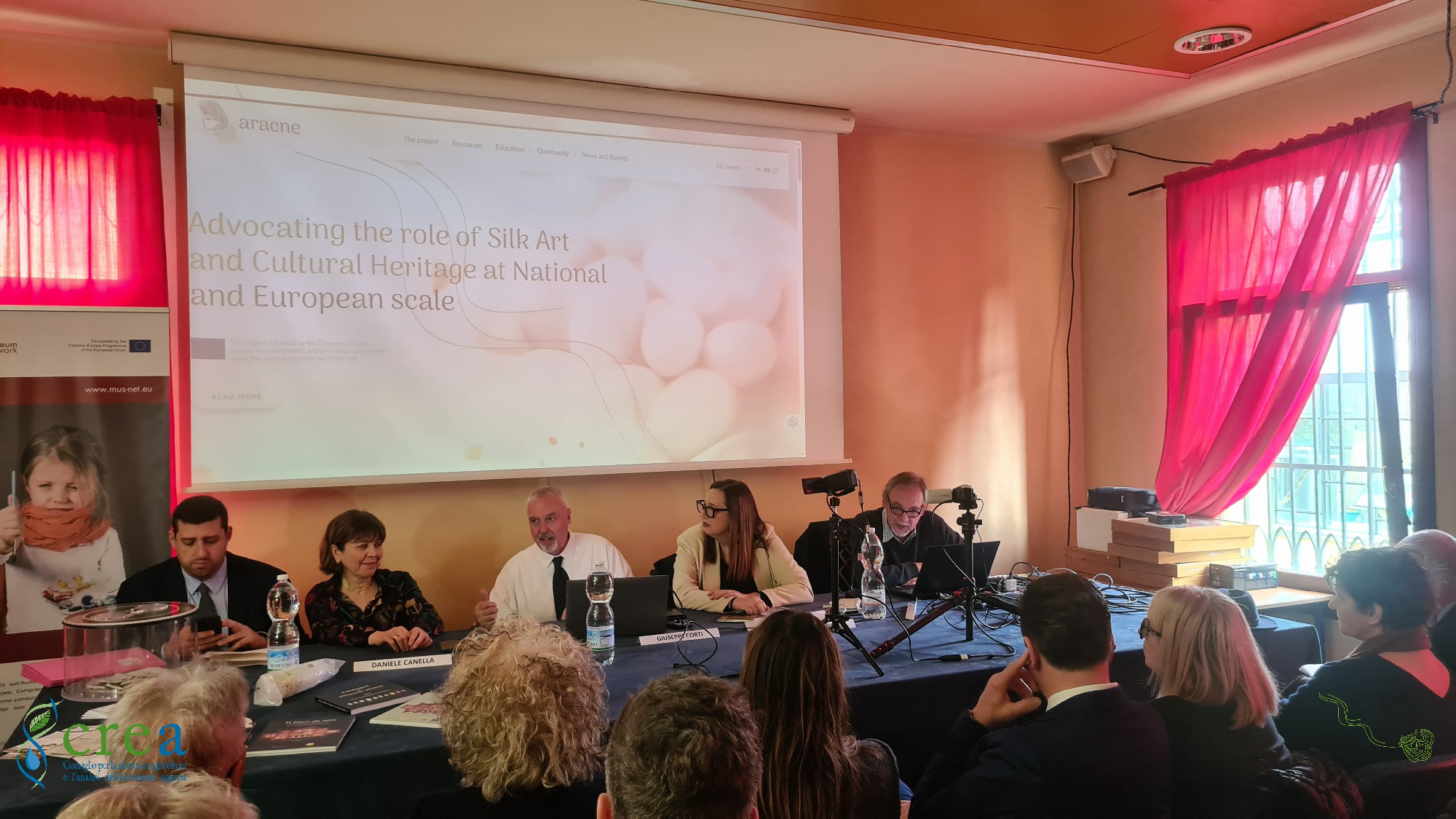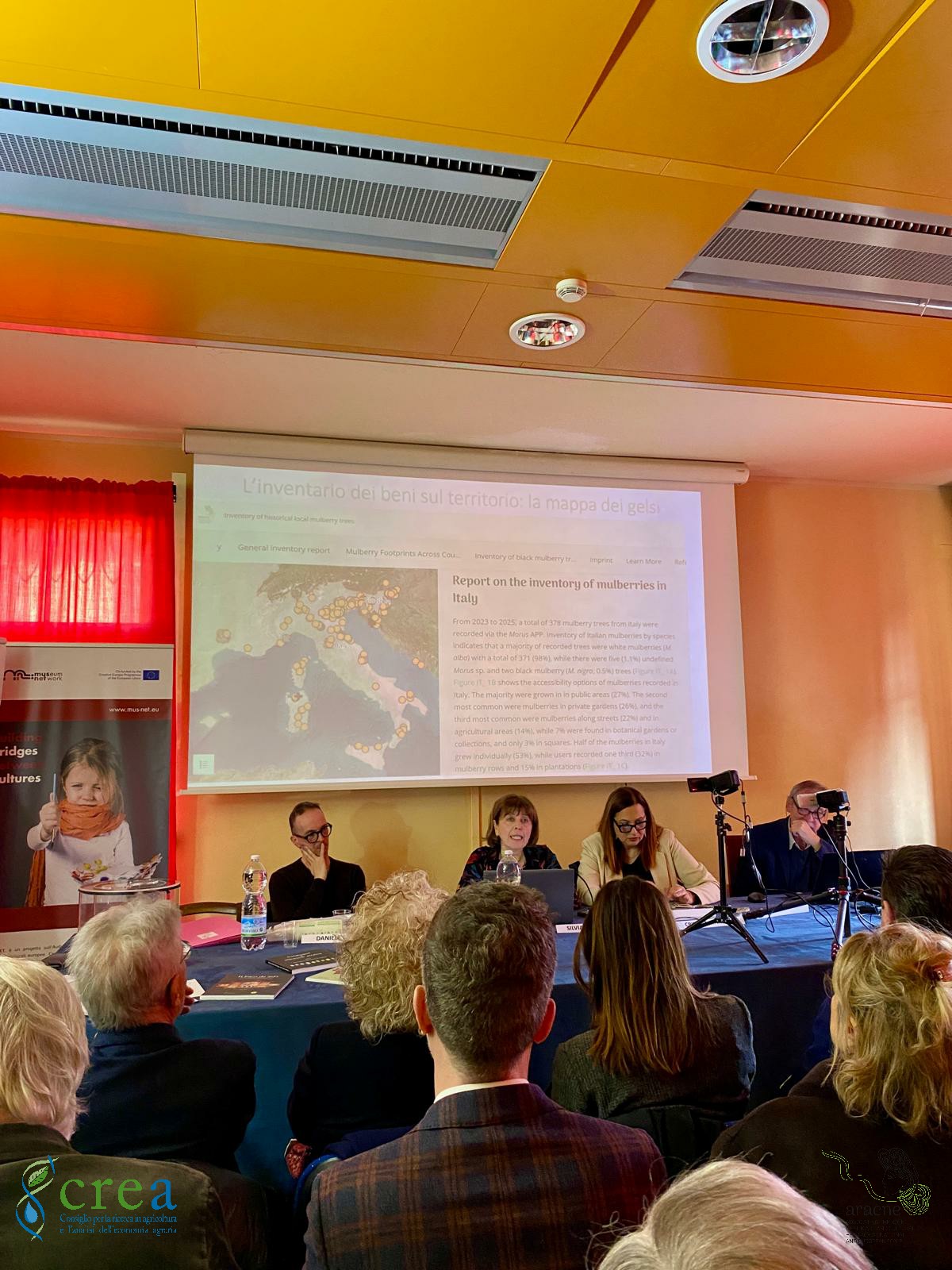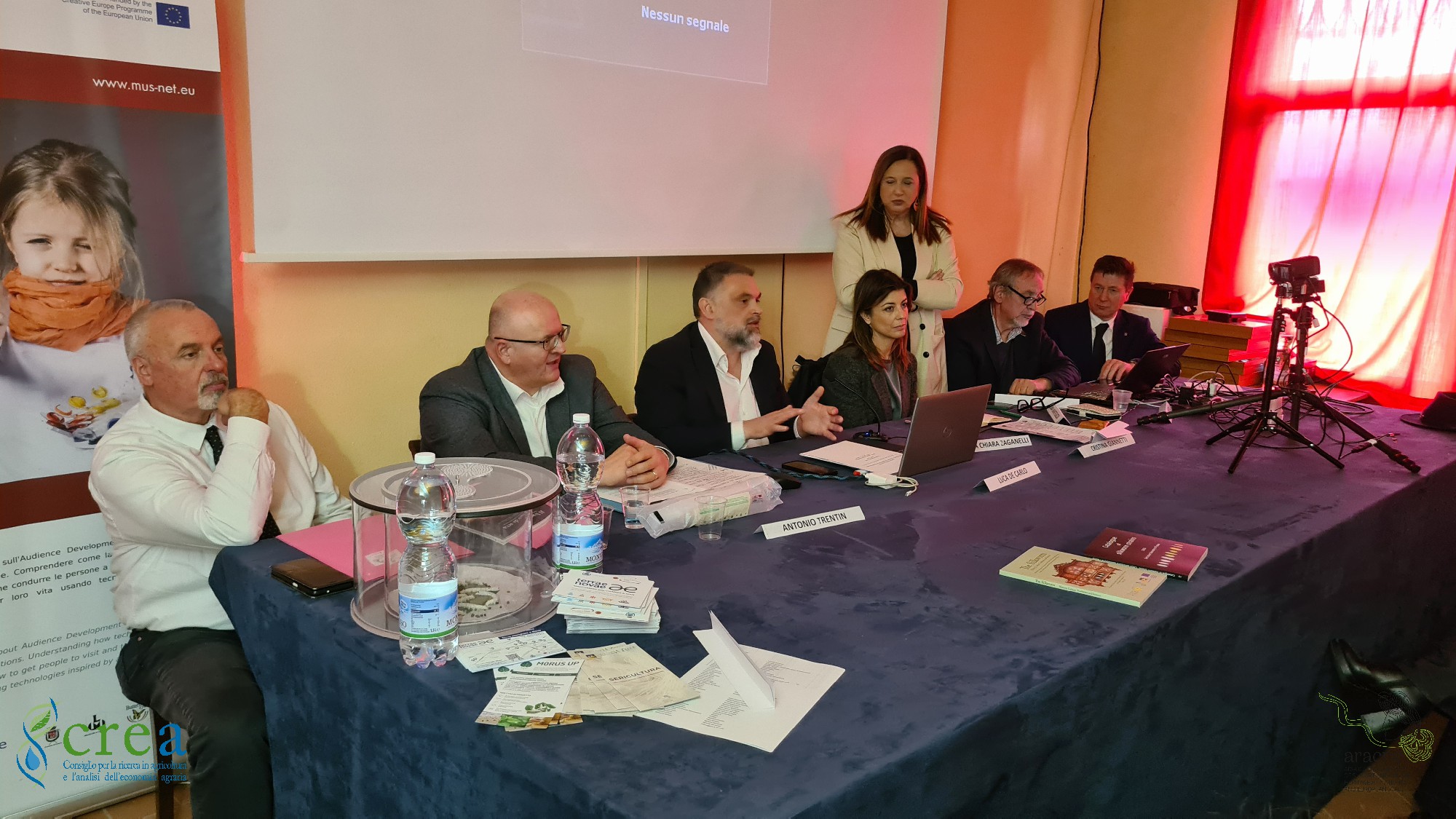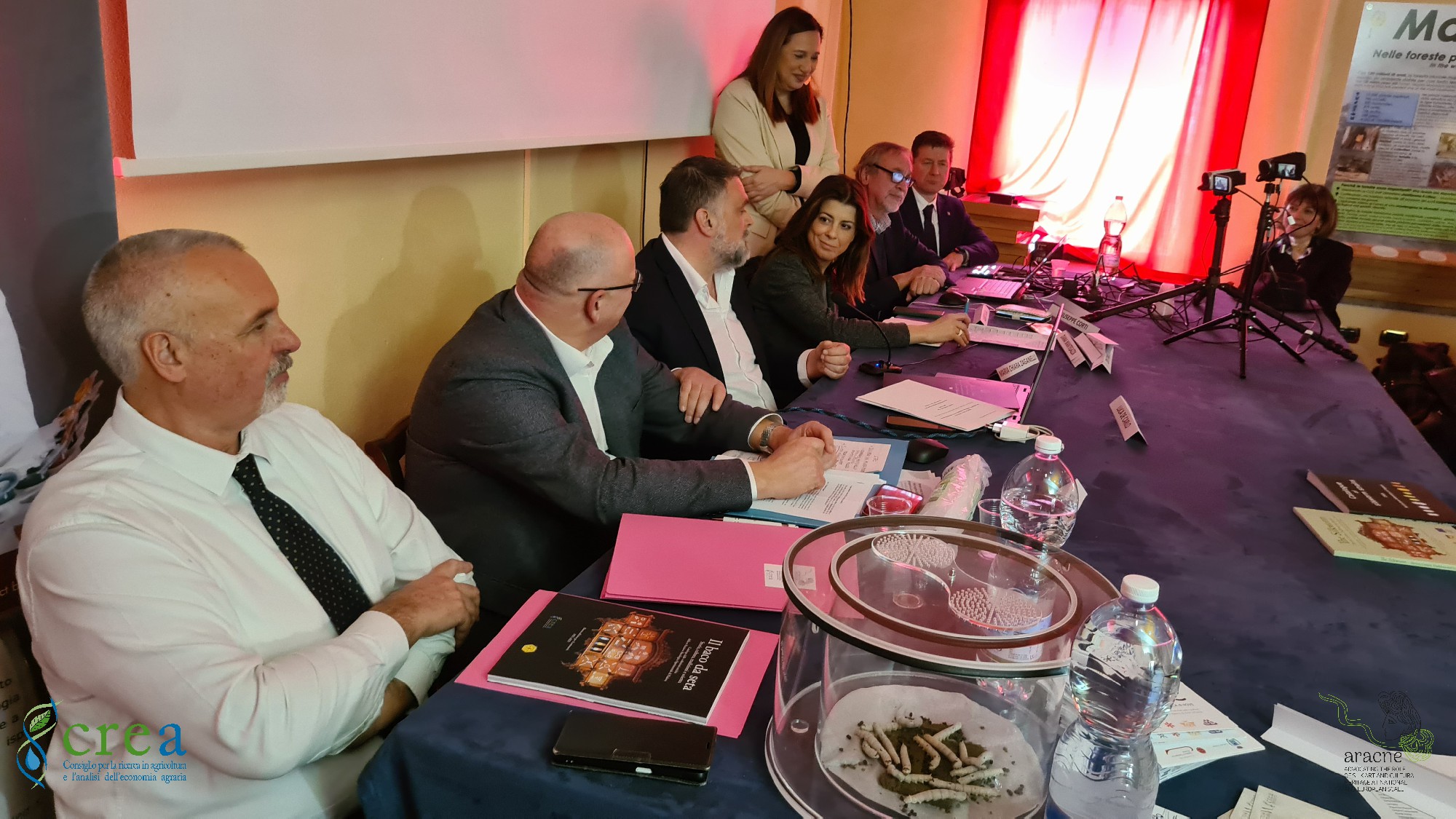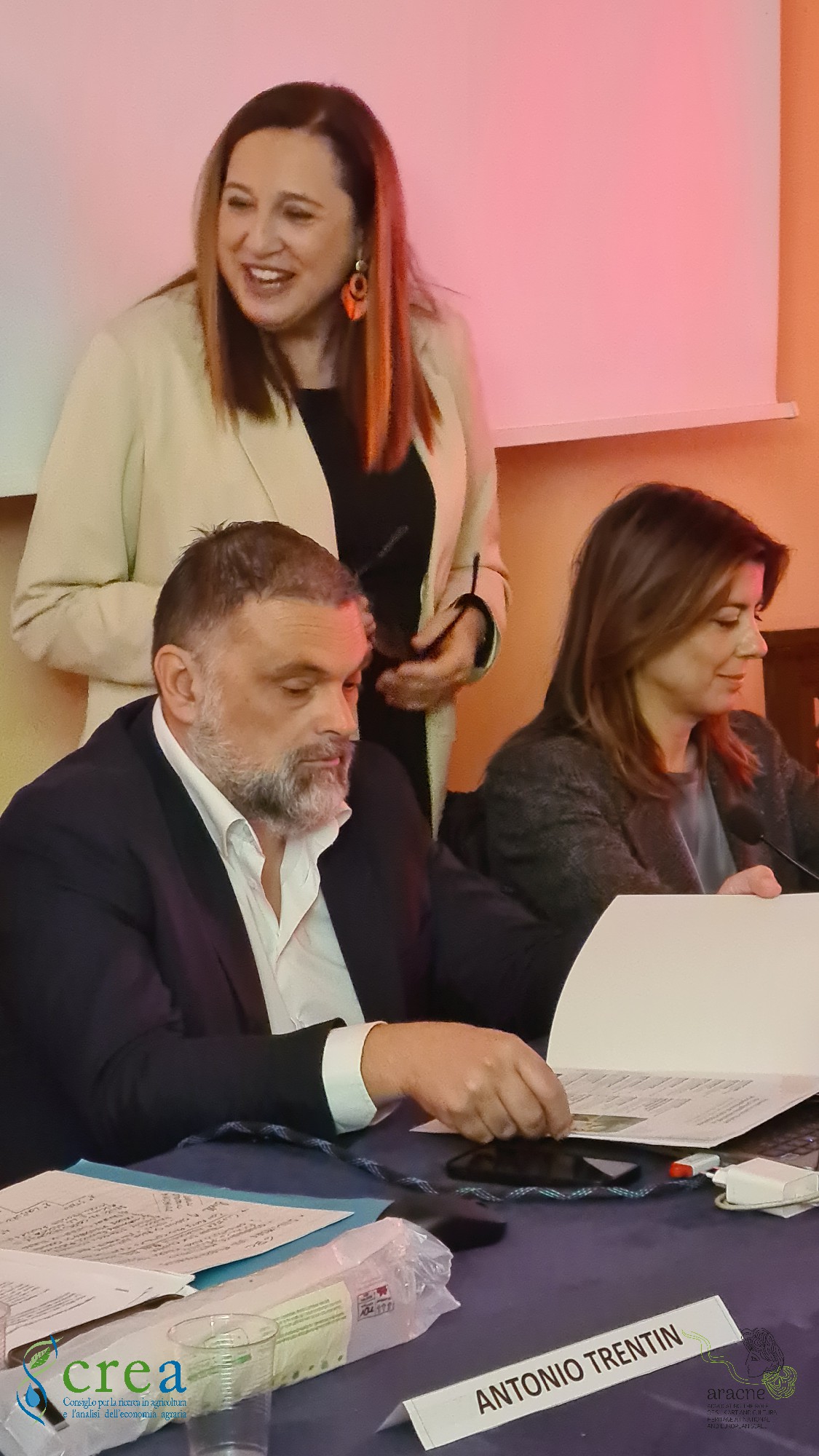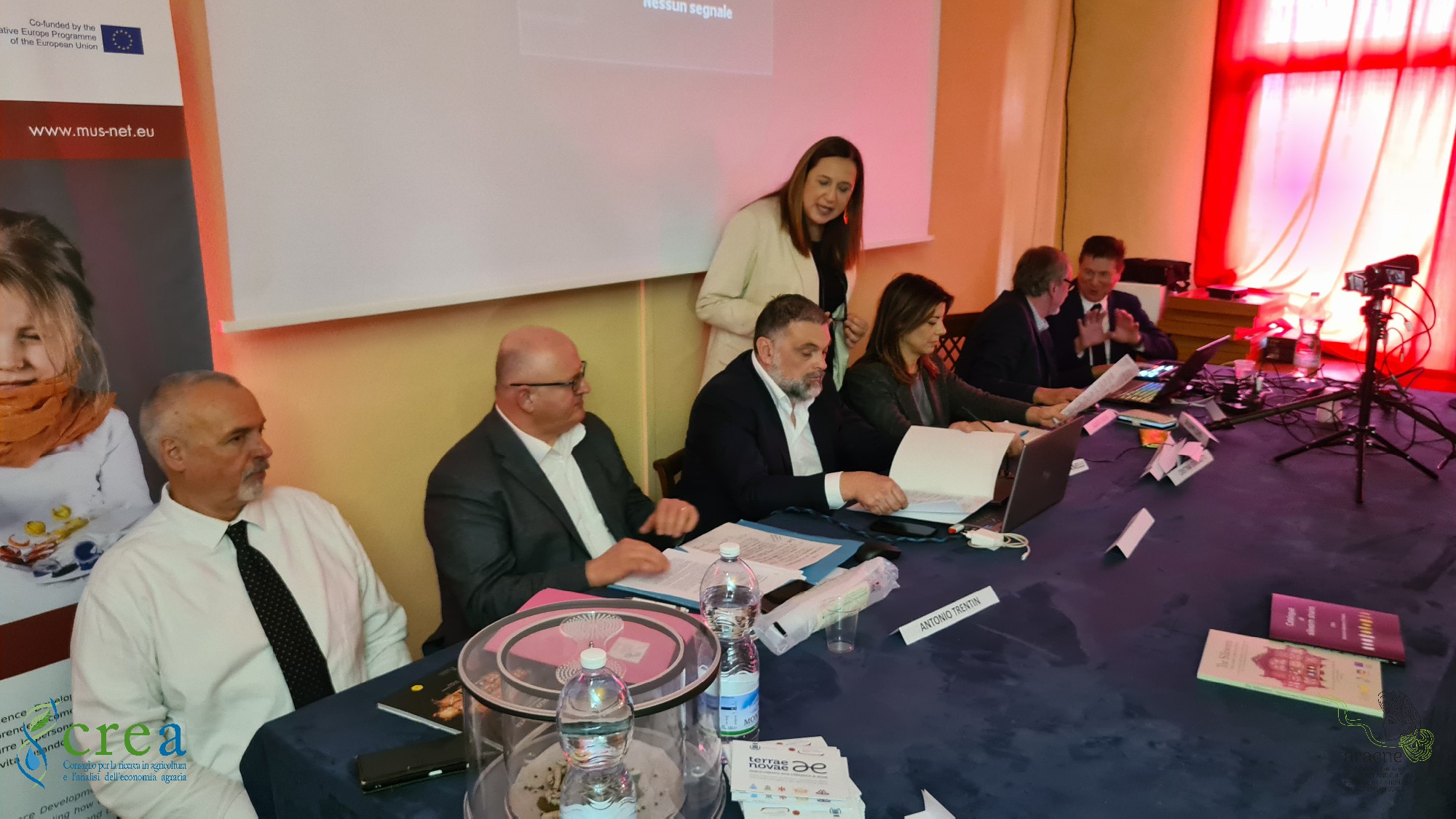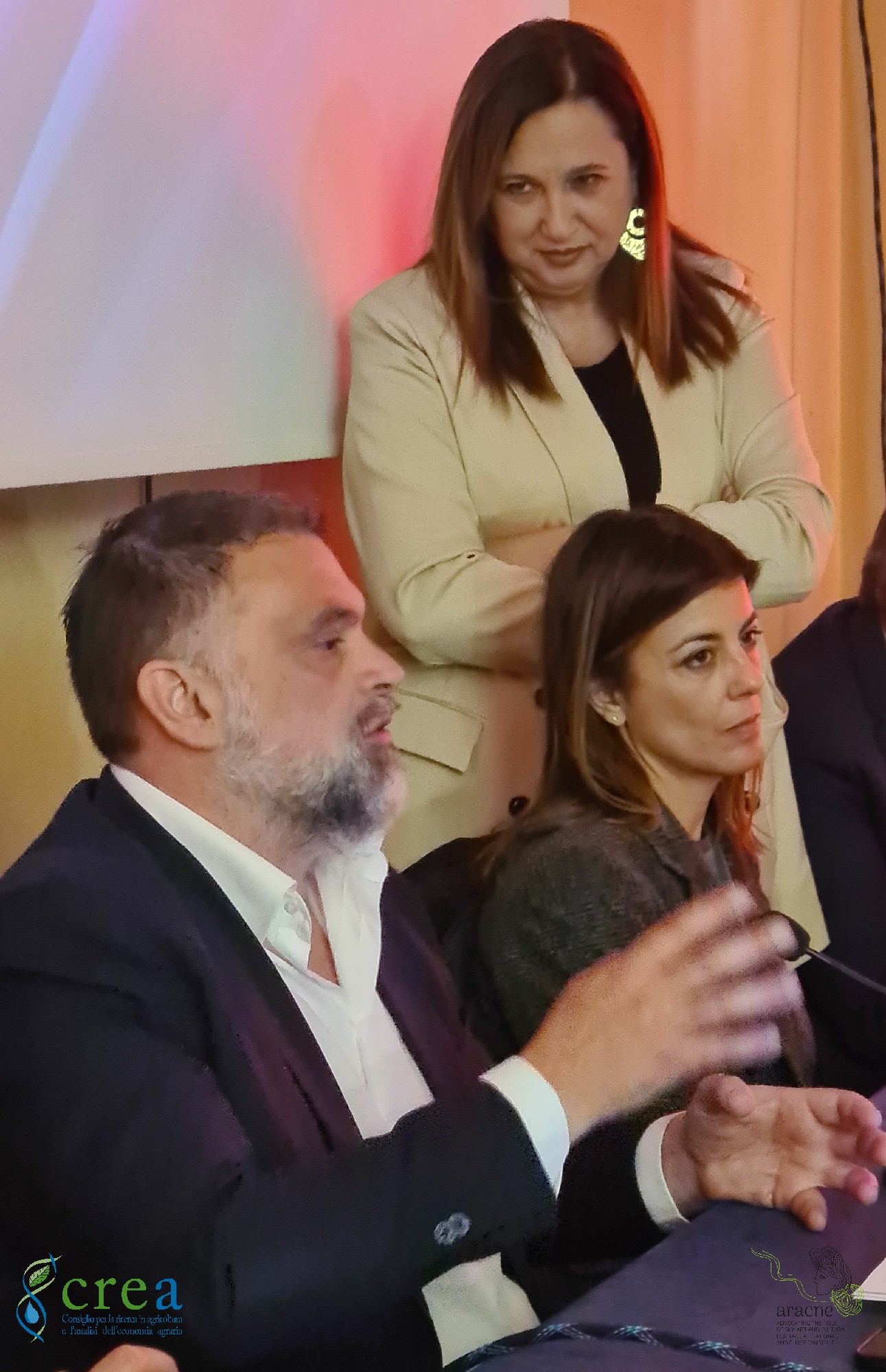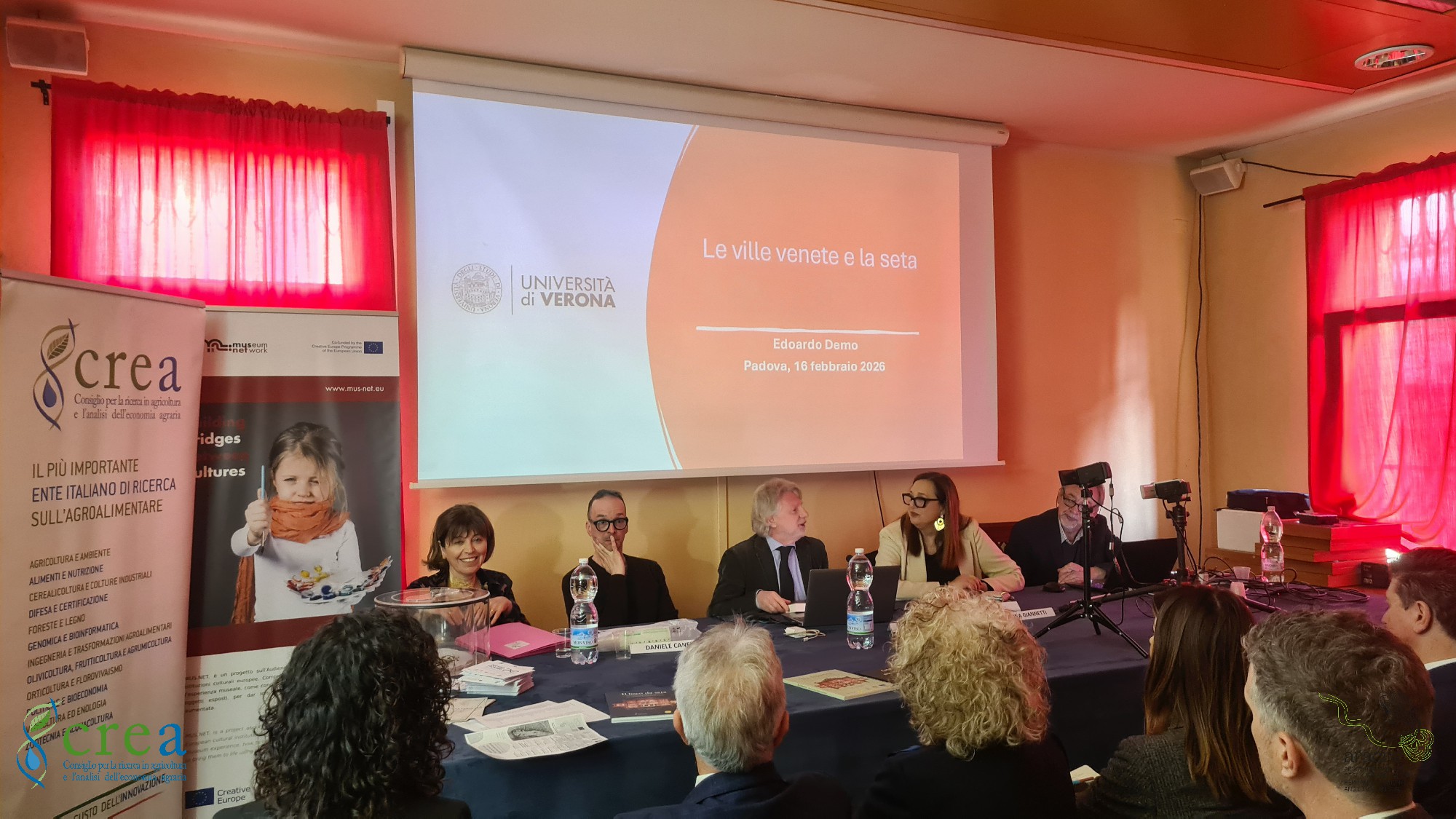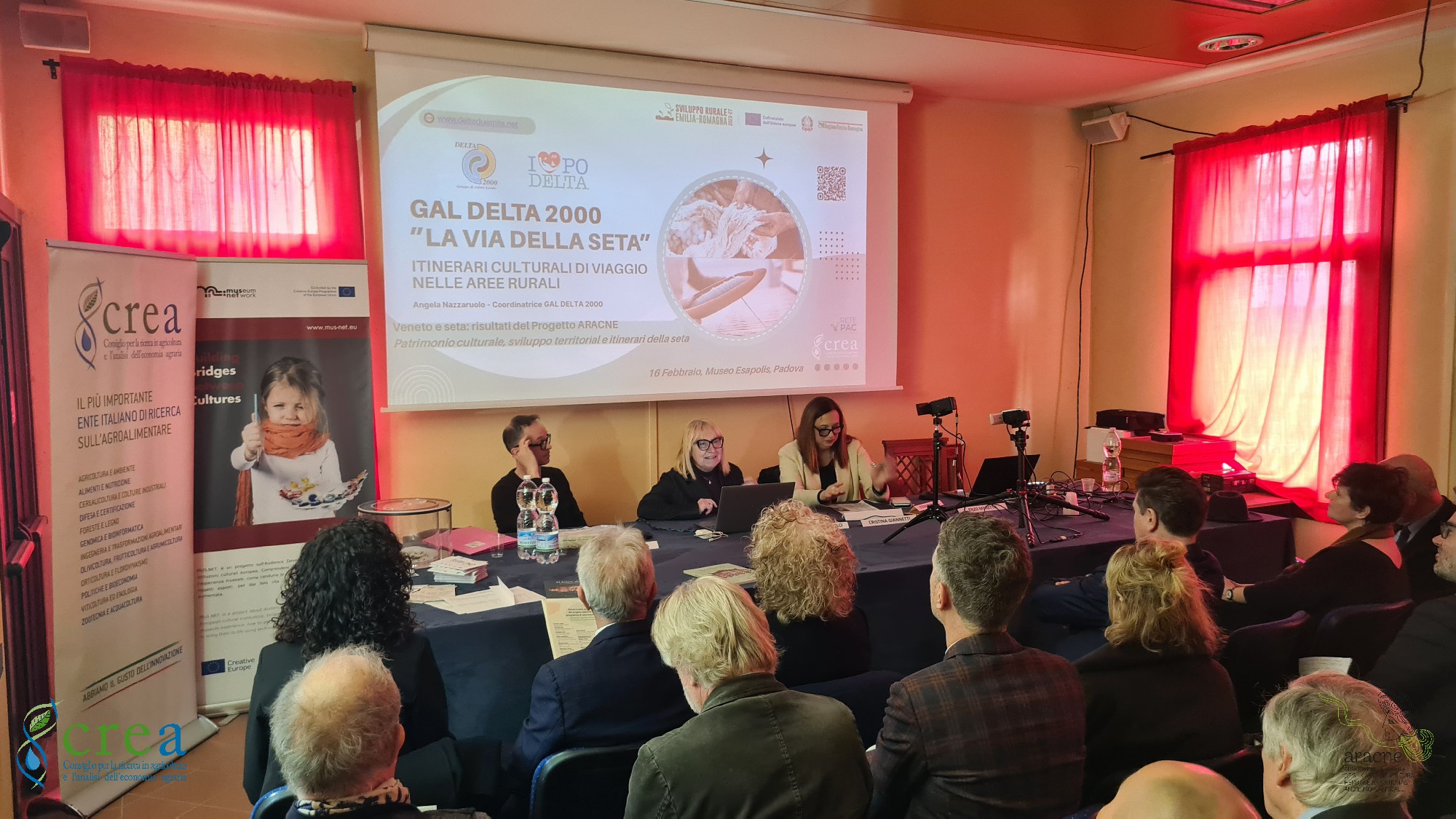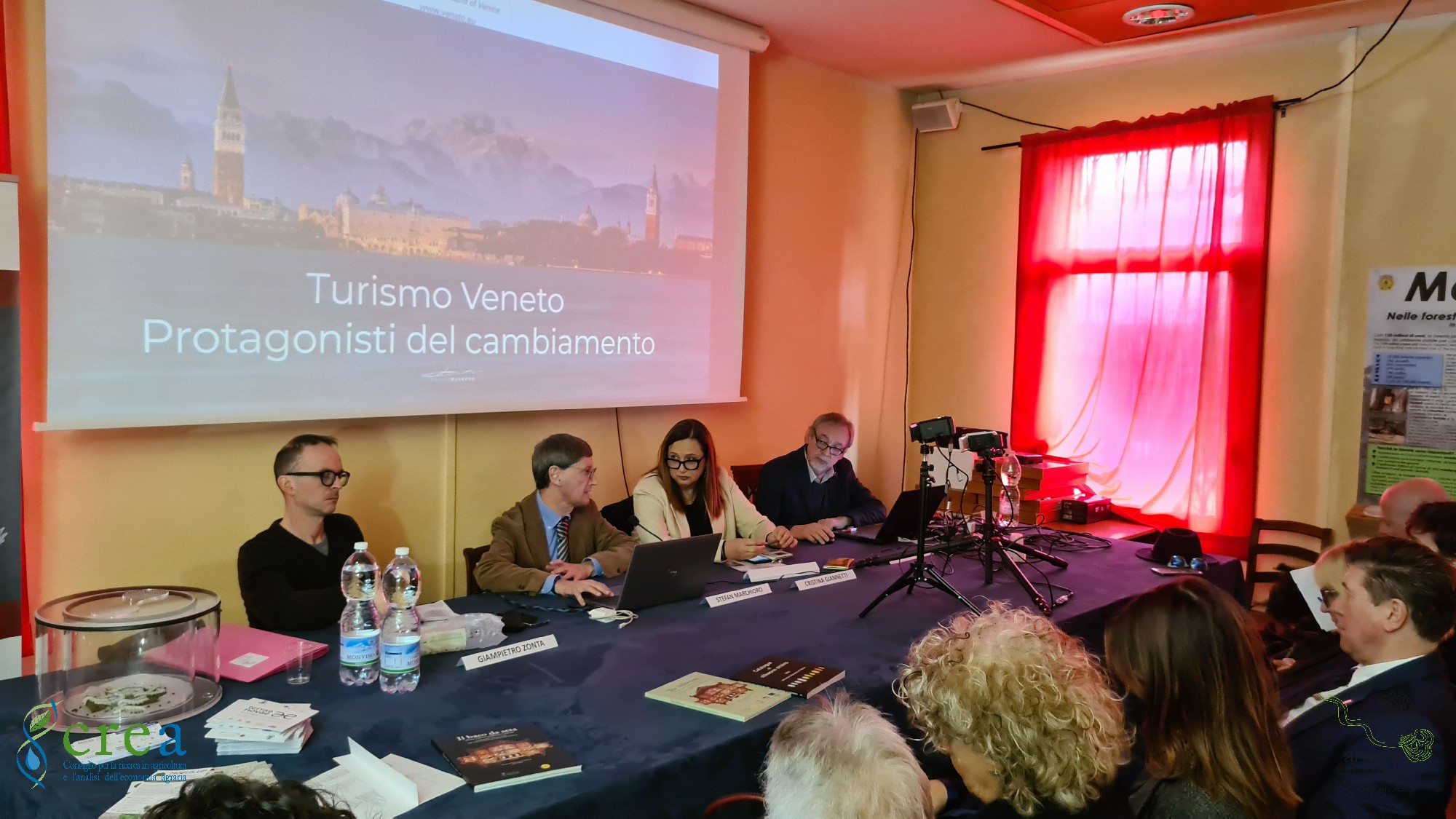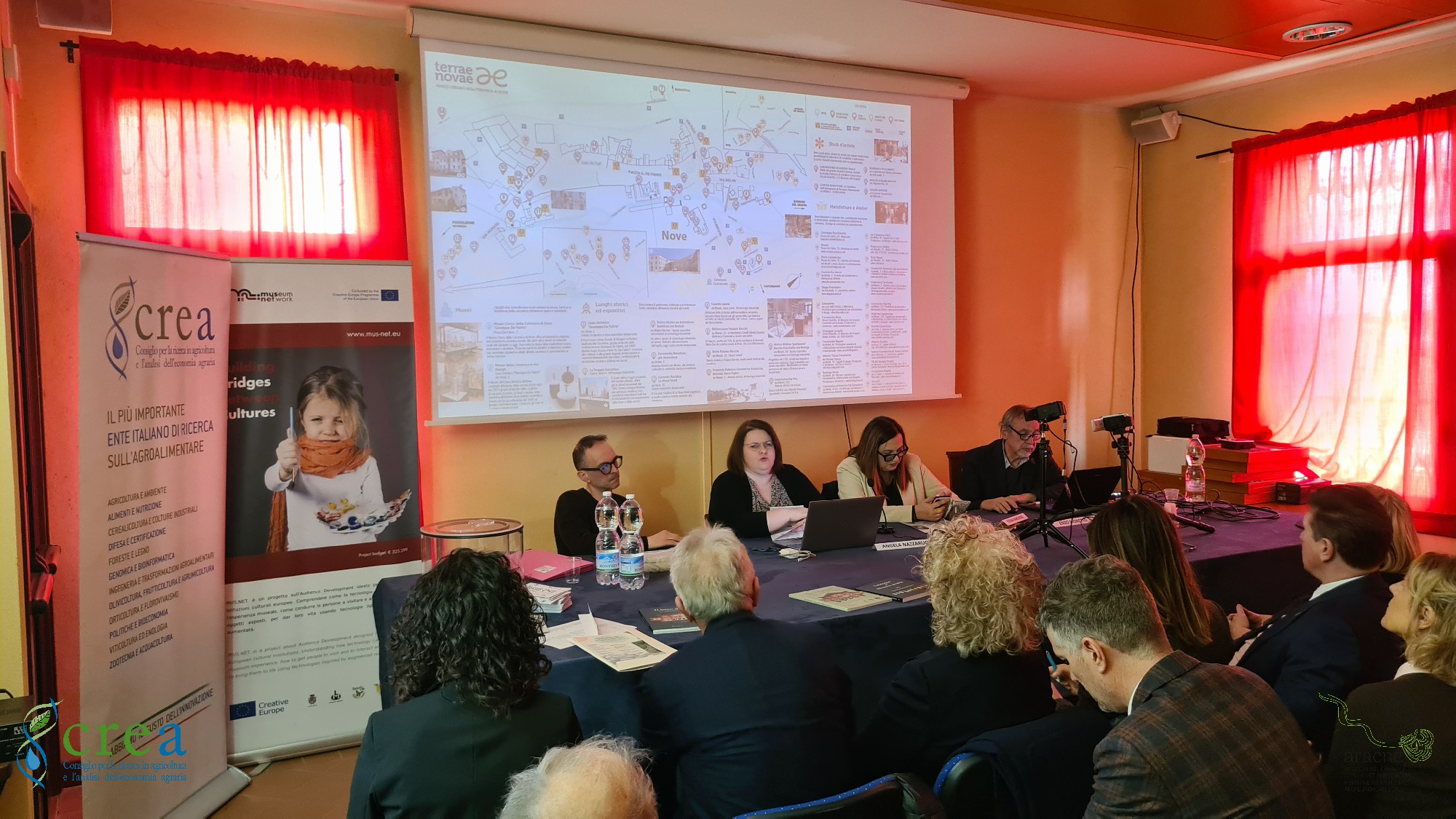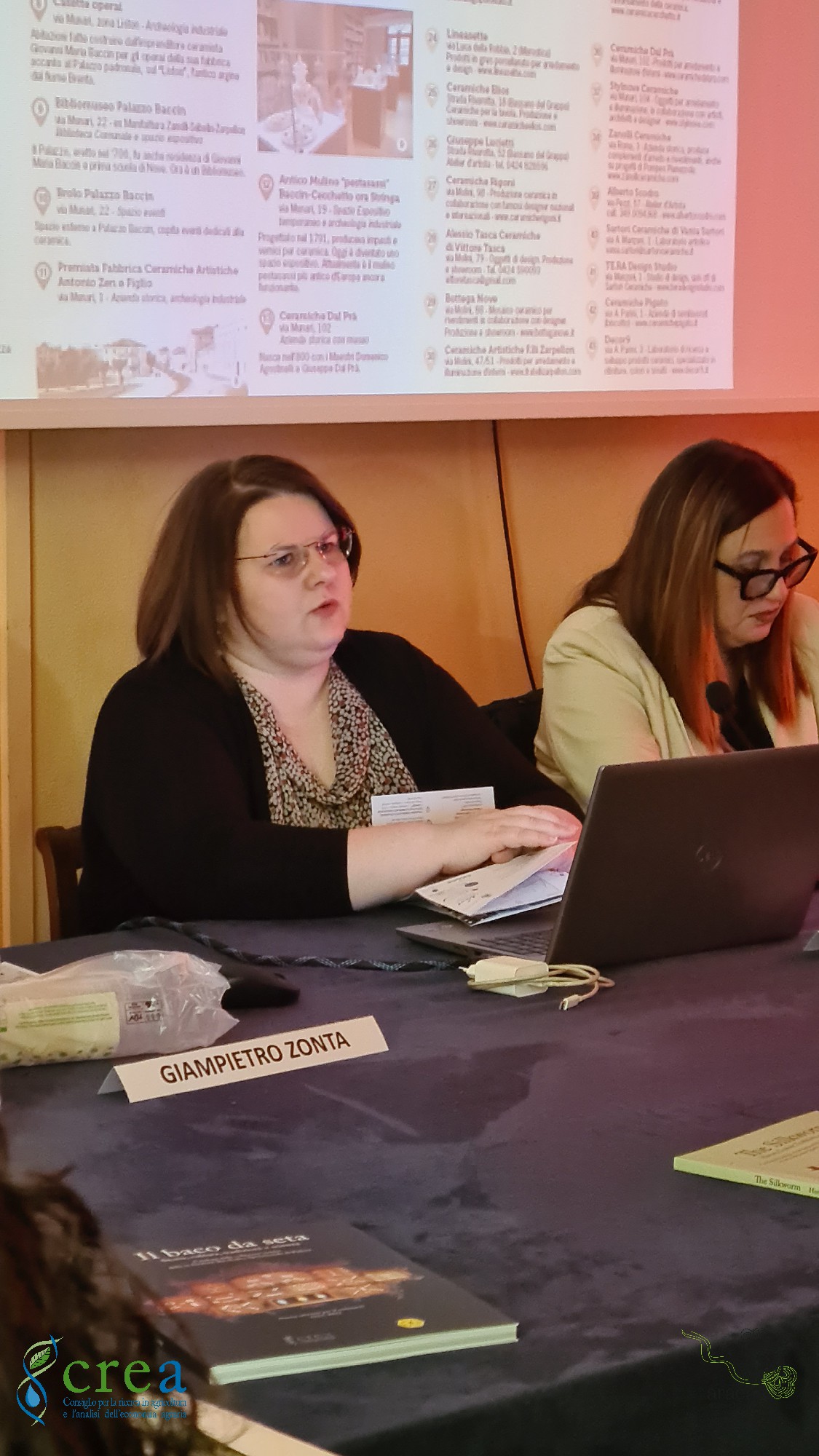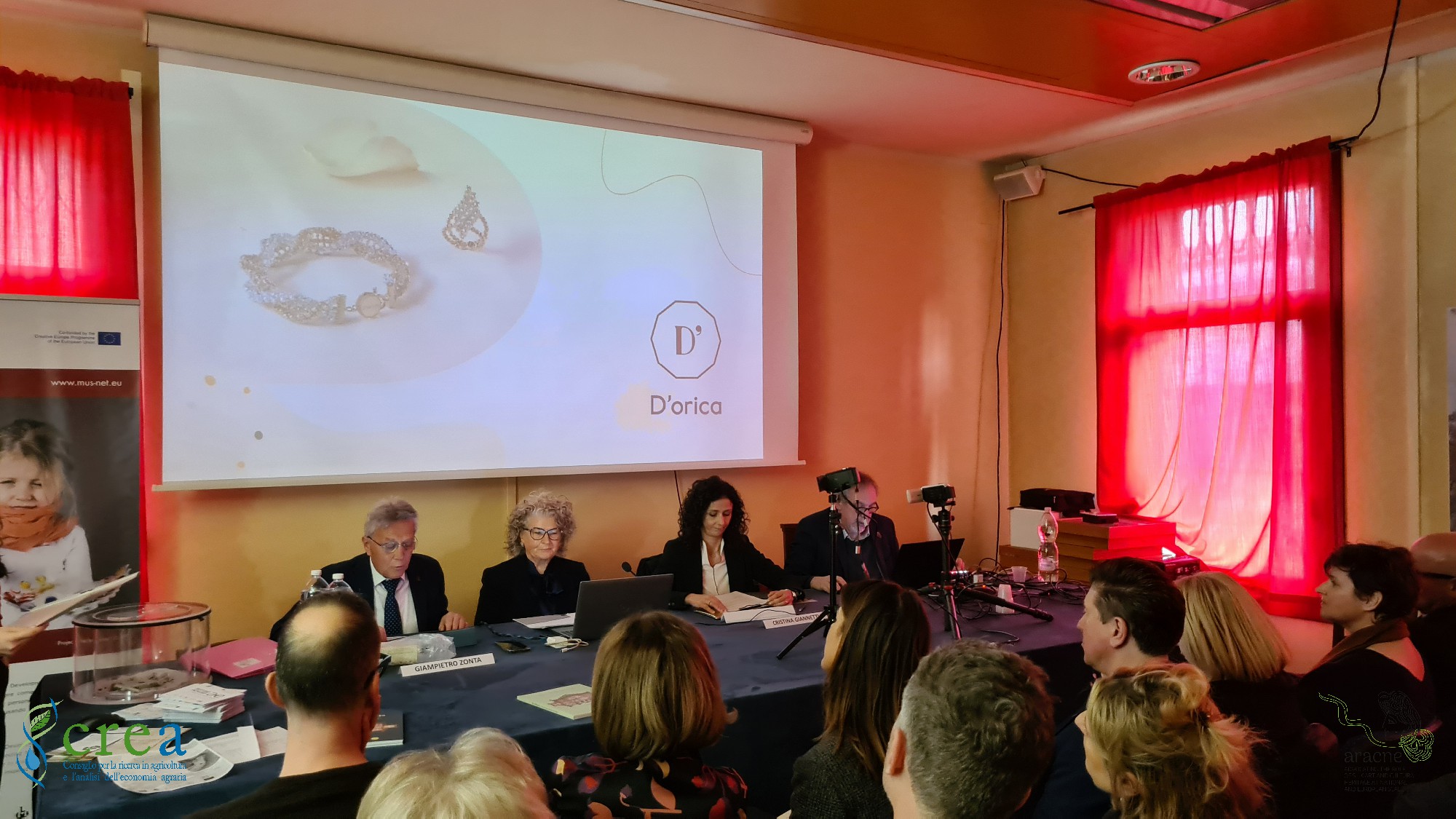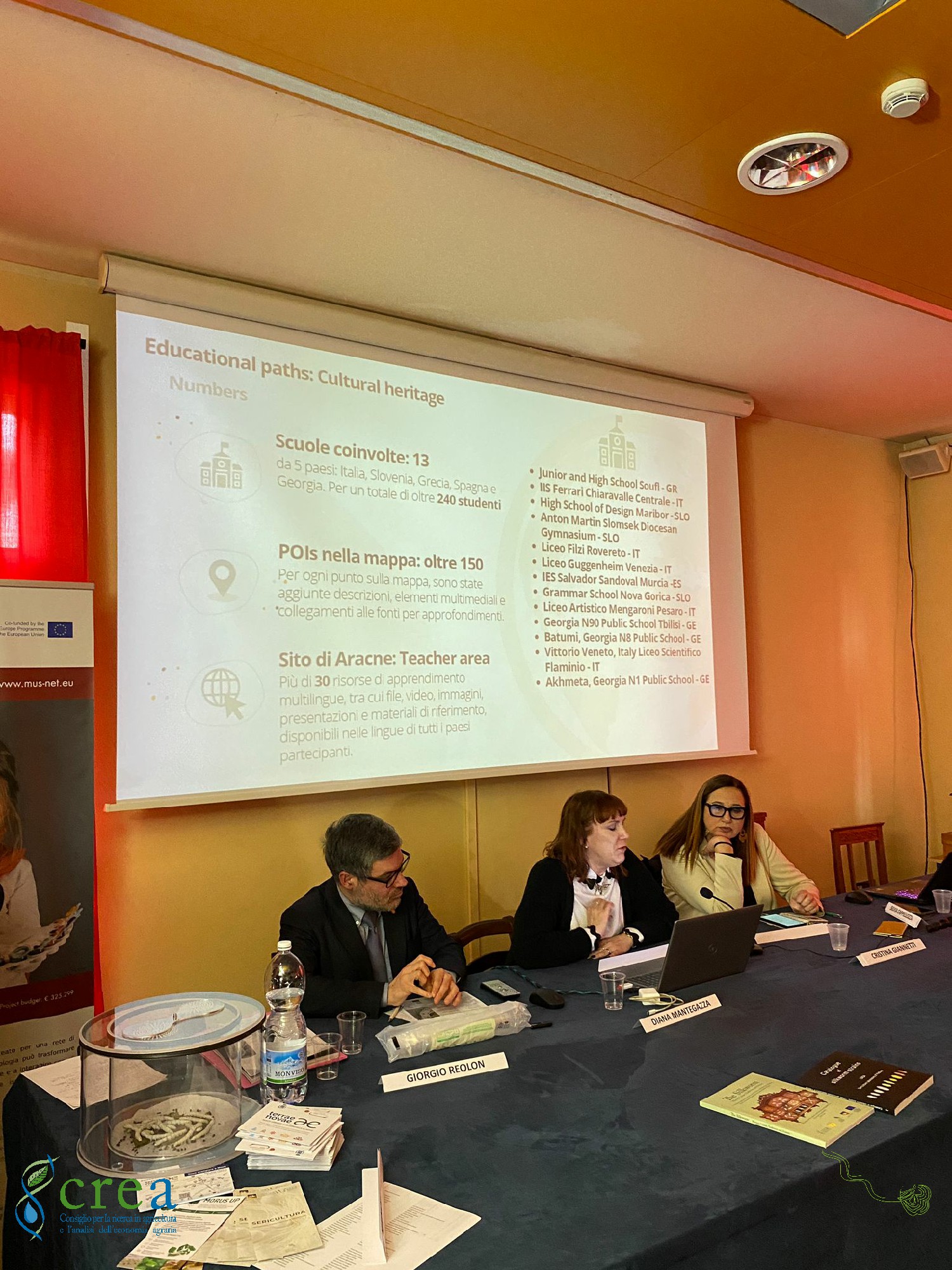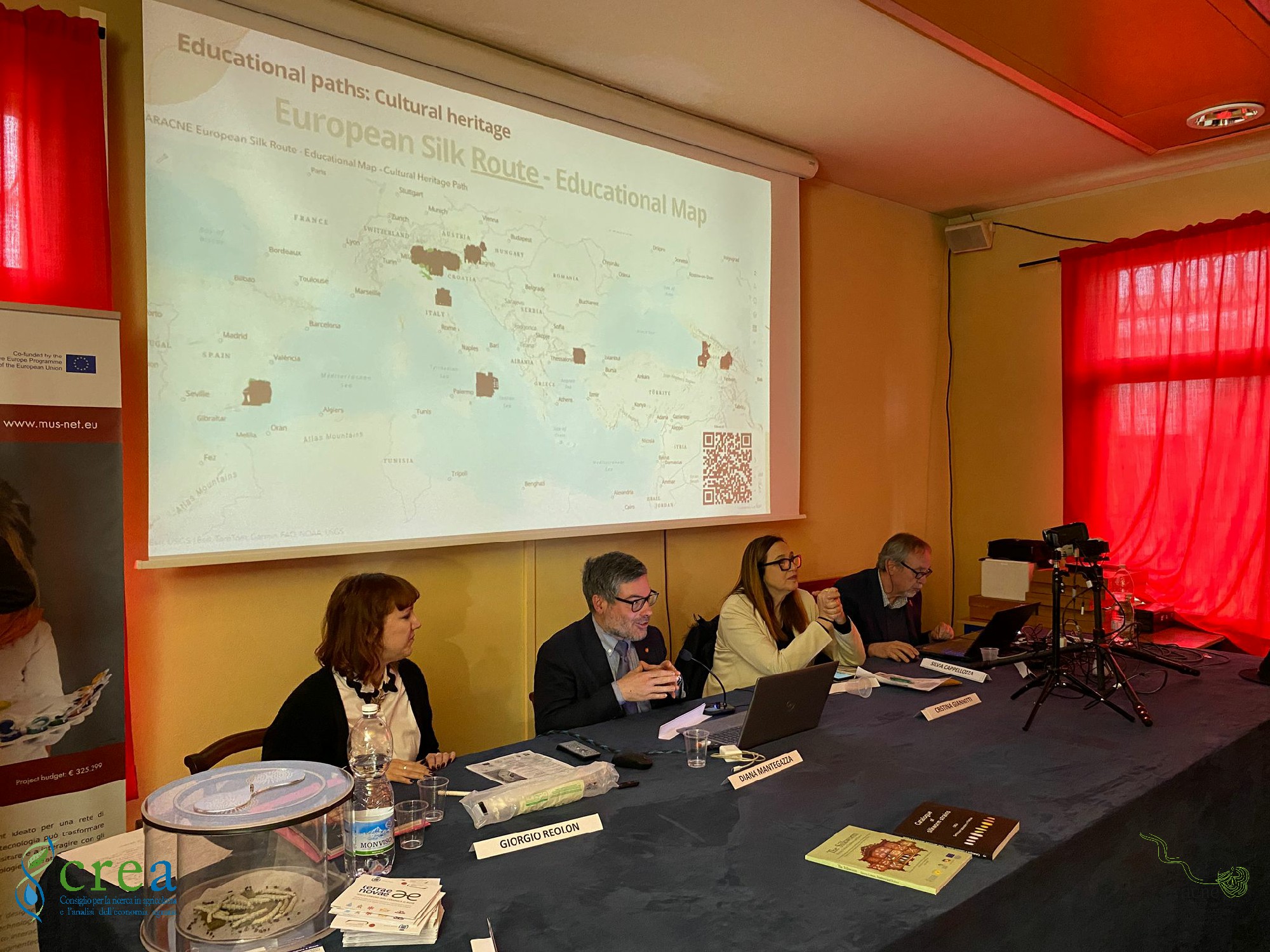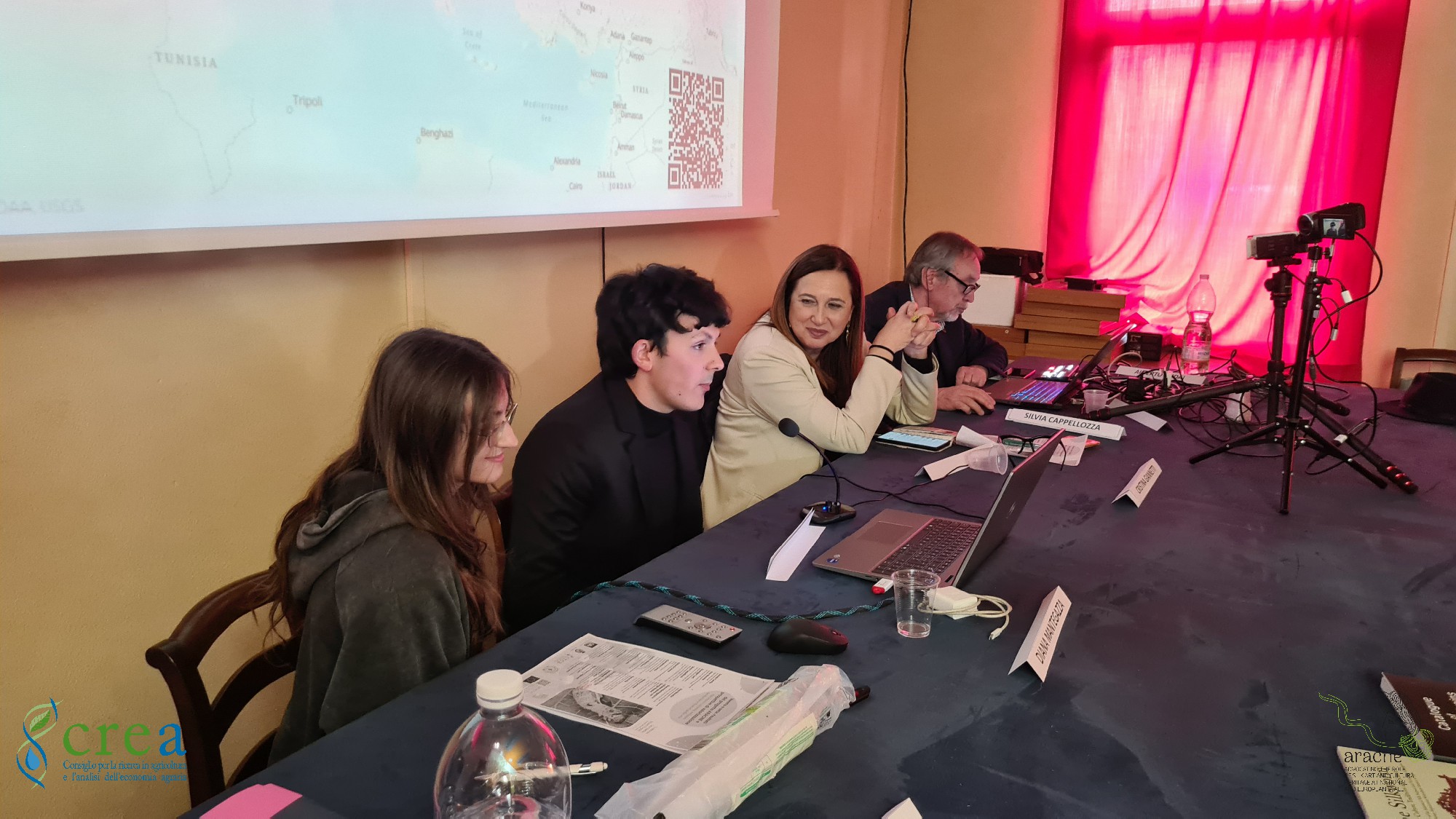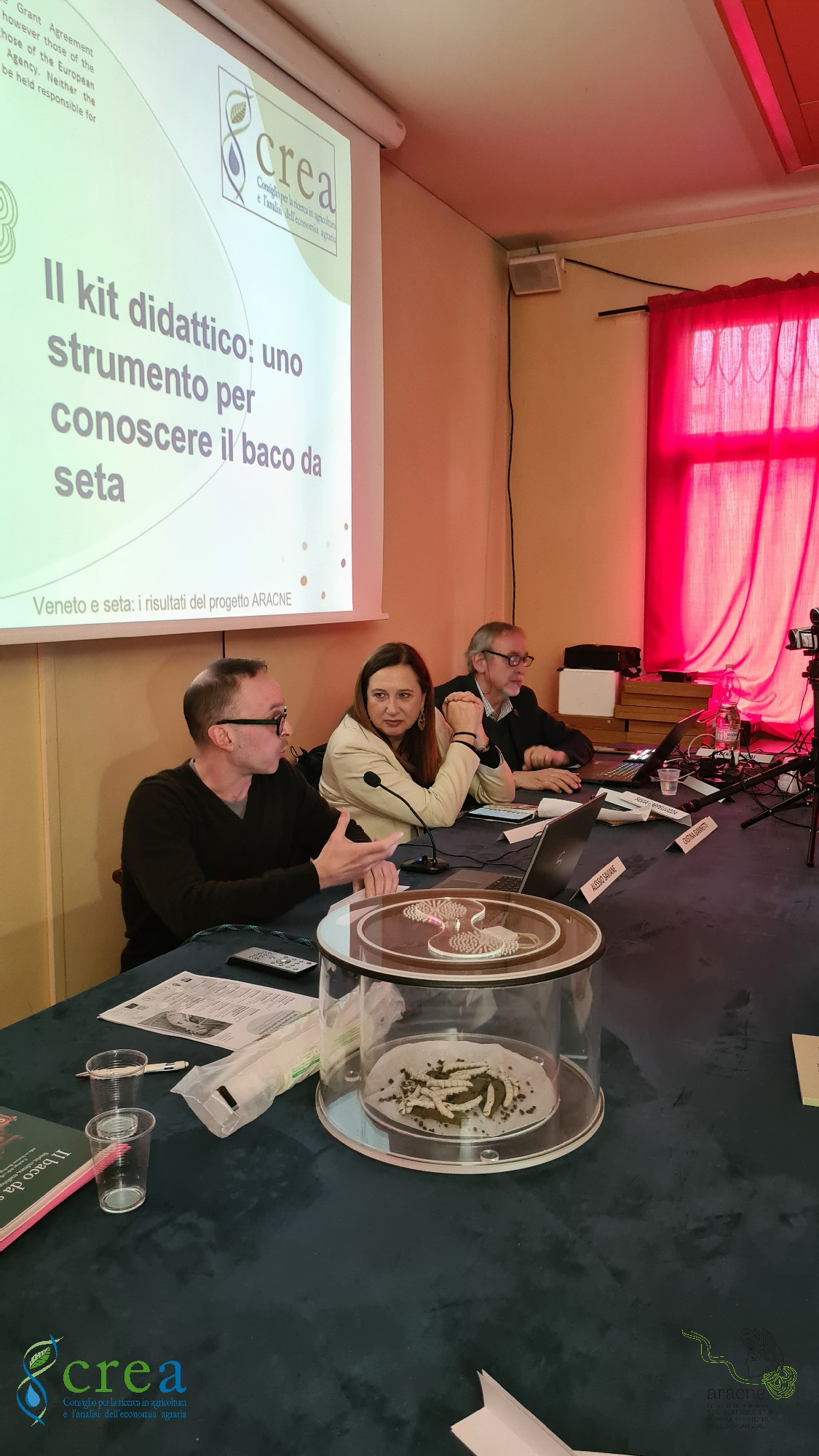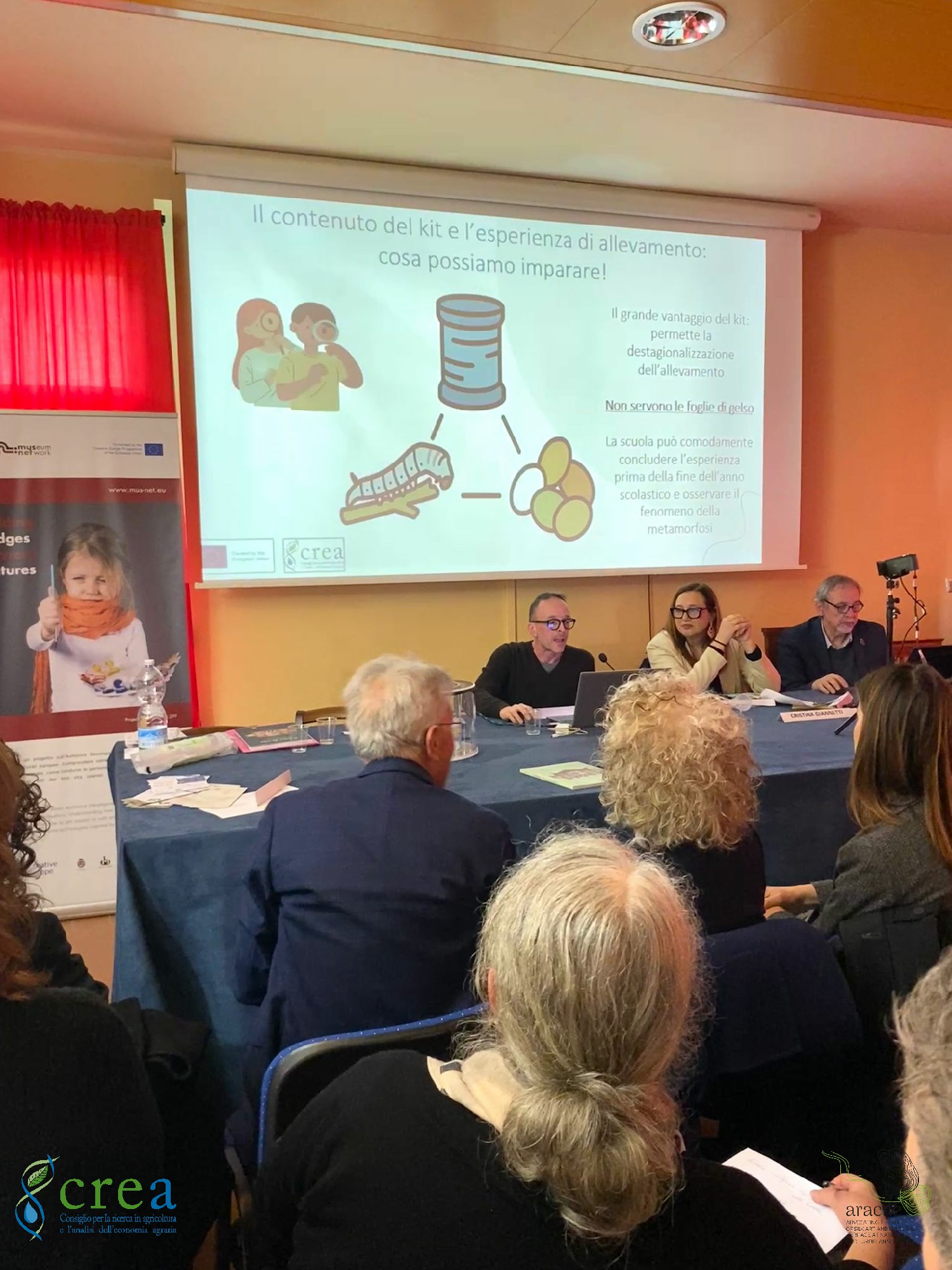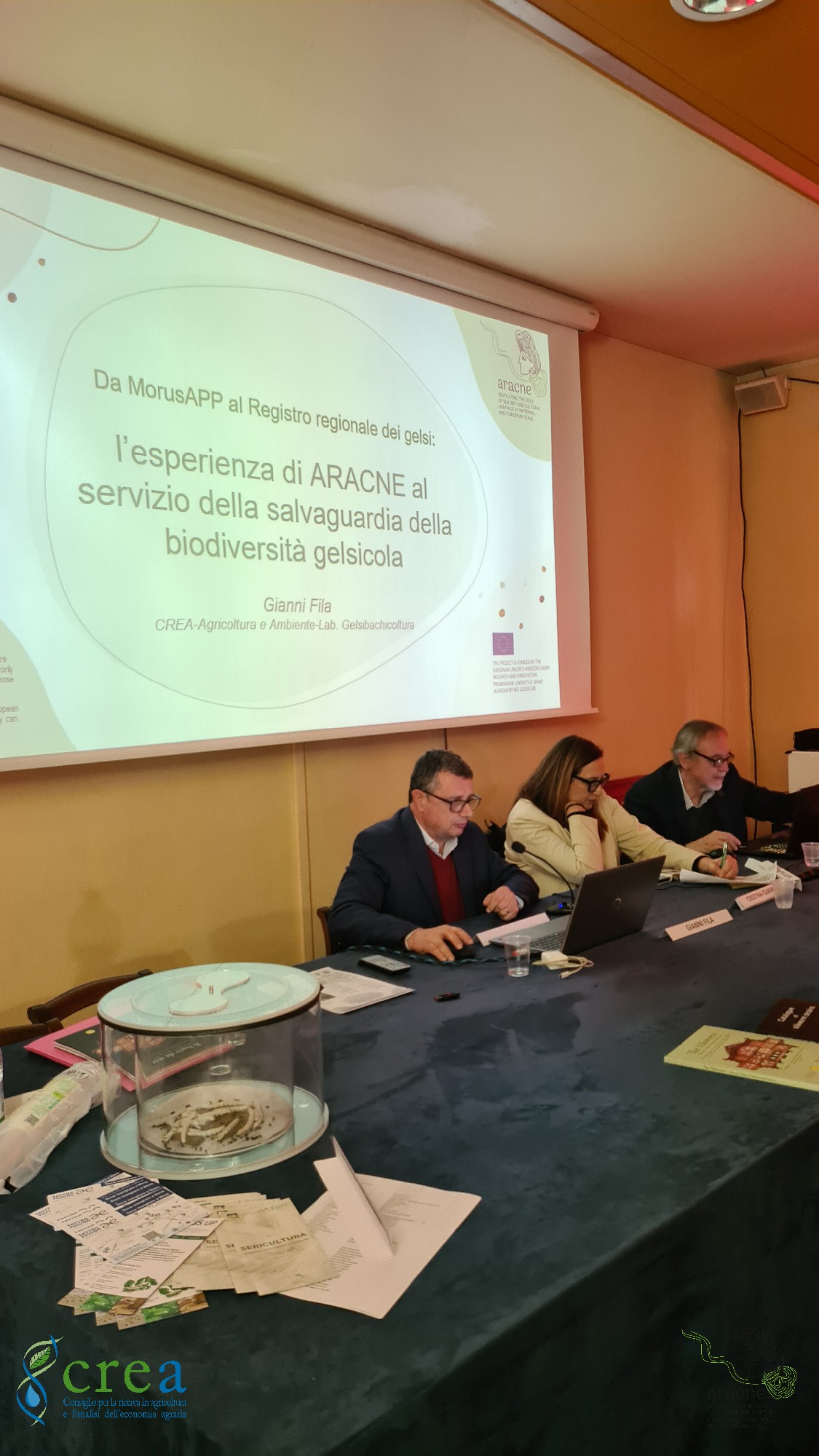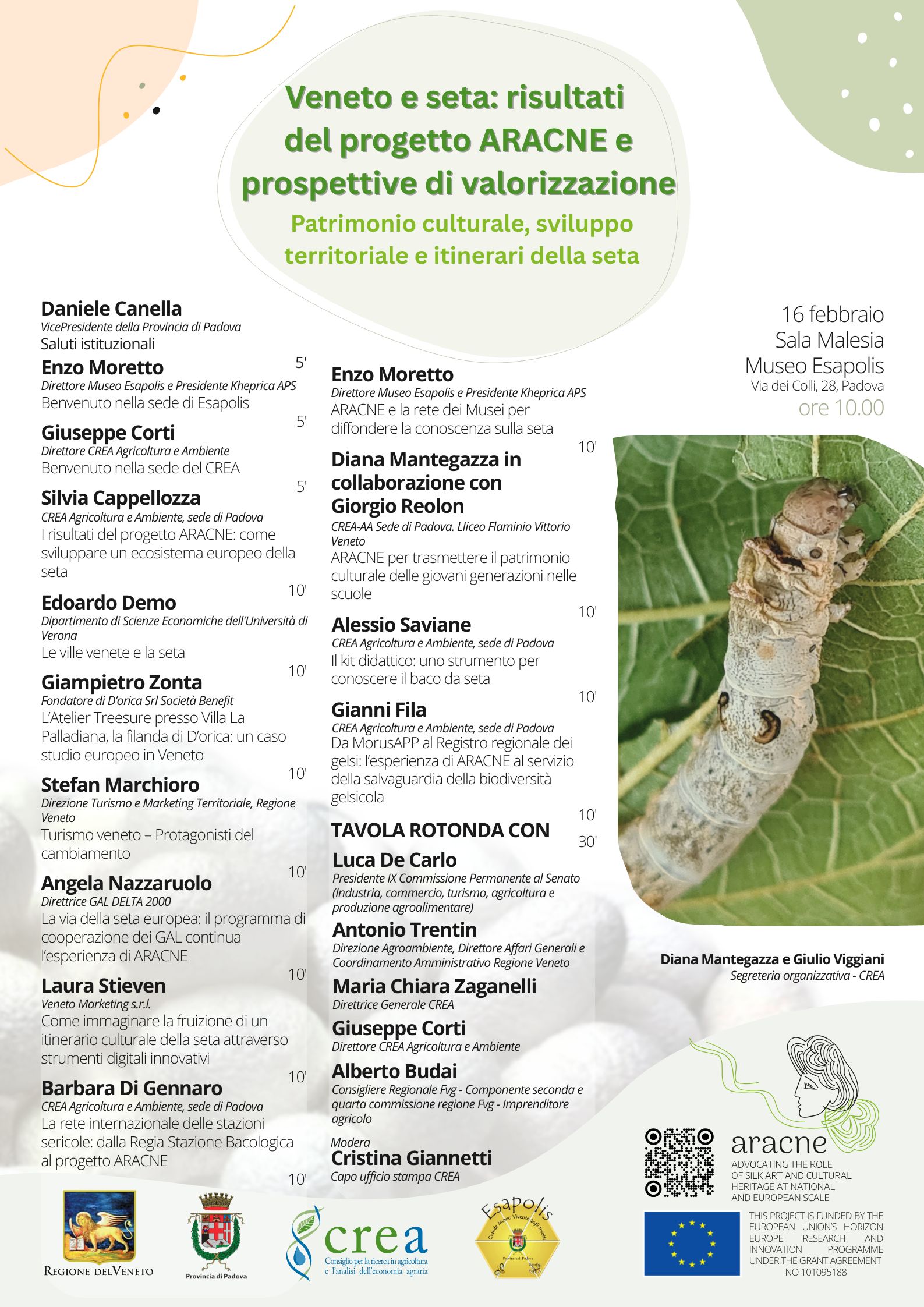

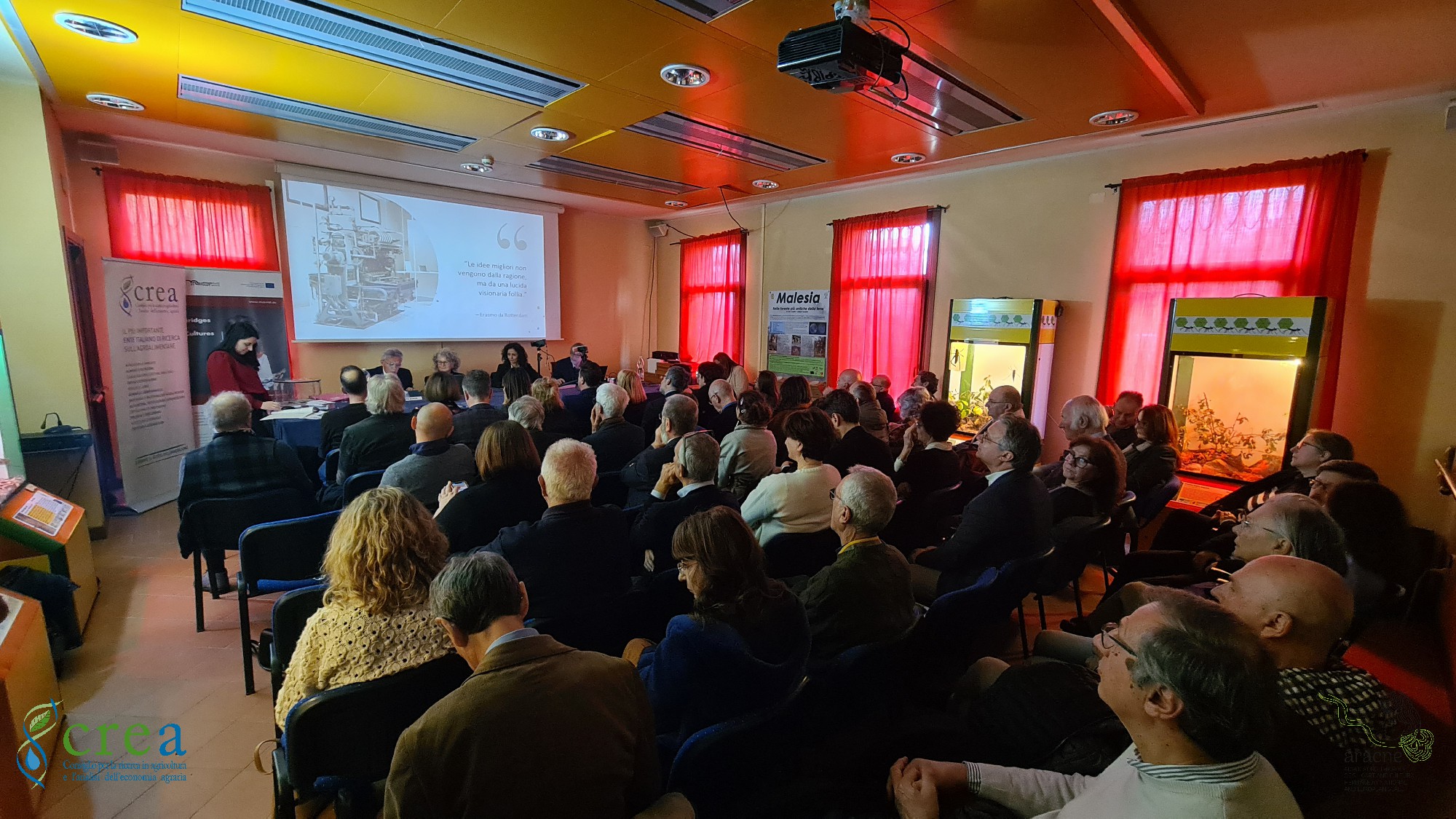
On Monday, 16 February, the Conference dedicated to Italian stakeholders and Authorities took place at Sala Malesia, Museo Esapolis in Padua. The event was organised by CREA and entitled: Veneto e seta: risultati del progetto ARACNE e prospettive di valorizzazione – Patrimonio culturale, sviluppo territoriale e itinerari della seta (Veneto and silk: results of the ARACNE project and enhancement perspectives – Cultural heritage, territorial development and silk routes).
The conference, lasting approximately three hours, provided an important opportunity for discussion and feedback on the main territorial impacts of the project, highlighting the different fields addressed by ARACNE: starting from the scientific aspects of the project, moving through the enhancement of the historical and cultural heritage of silk, the impacts in the tourism sector, and the experiences of company that have achieved significant results, such as D’Orica.
A key topic that emerged during the morning concerned the development prospects of silk-related tourism, aimed at enhancing local areas through innovative and participatory tools. The materials produced by the ARACNE project make a substantial contribution to this objective, including the interactive map, the catalogue, and the digital tools designed to create shared and multimedia itineraries, capable of making cultural, traditional and landscape heritage accessible in an integrated and inclusive way.
Alongside these aspects, strong emphasis was also placed on the strategic role of the primary sector, linked to silkworm rearing and mulberry cultivation. These elements represent the vital foundation of a value chain with great potential. The importance of giving due attention to agricultural entrepreneurship and to the technological innovations connected to it clearly emerged, as essential conditions to support and relaunch a contemporary, sustainable silk supply chain firmly rooted in the territory.
Part of the morning programme was also dedicated to educational and pedagogical initiatives, considered among the most forward-looking aspects of the project, capable of building a bridge among cultural heritage, innovation and younger generations.
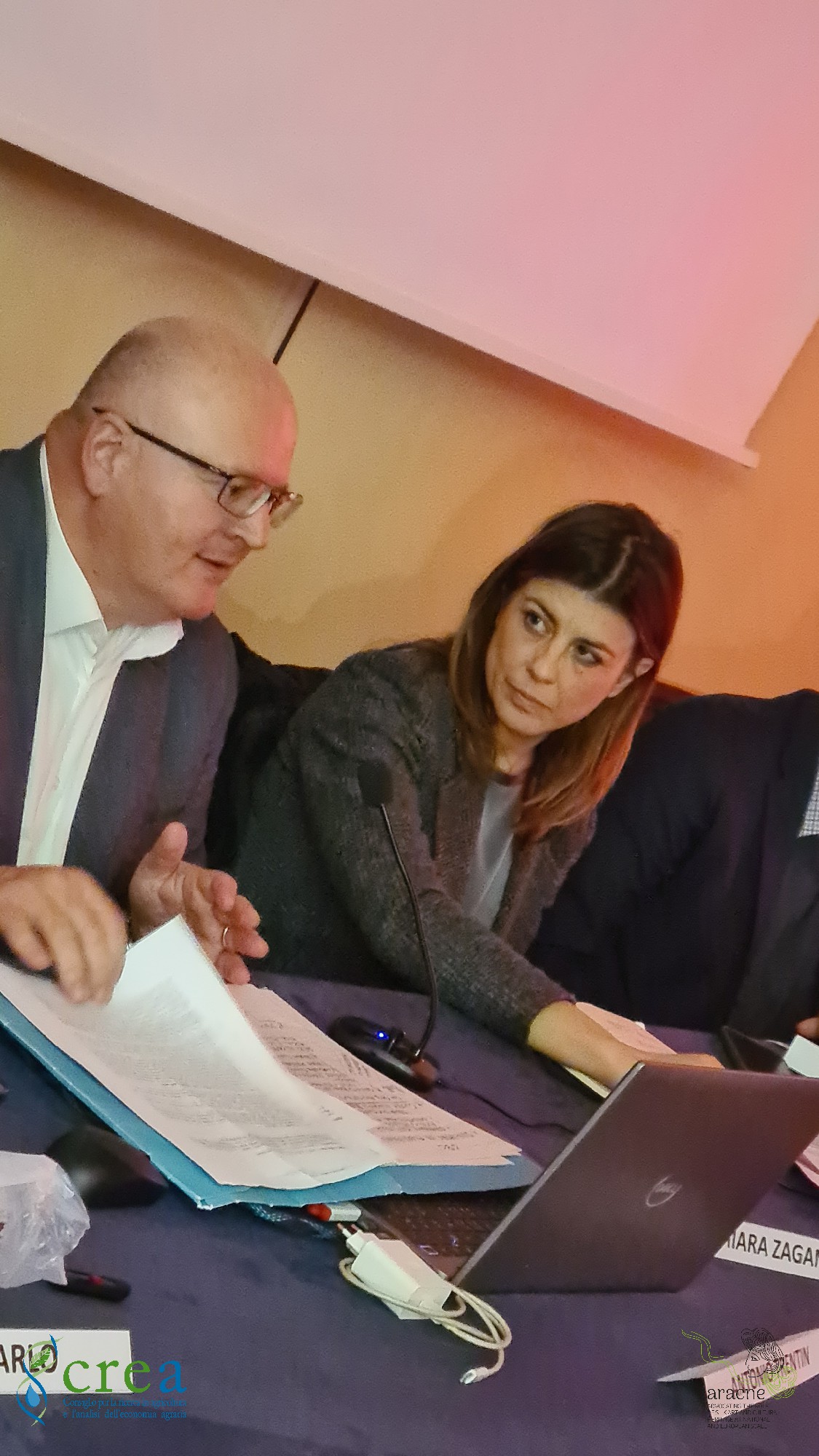
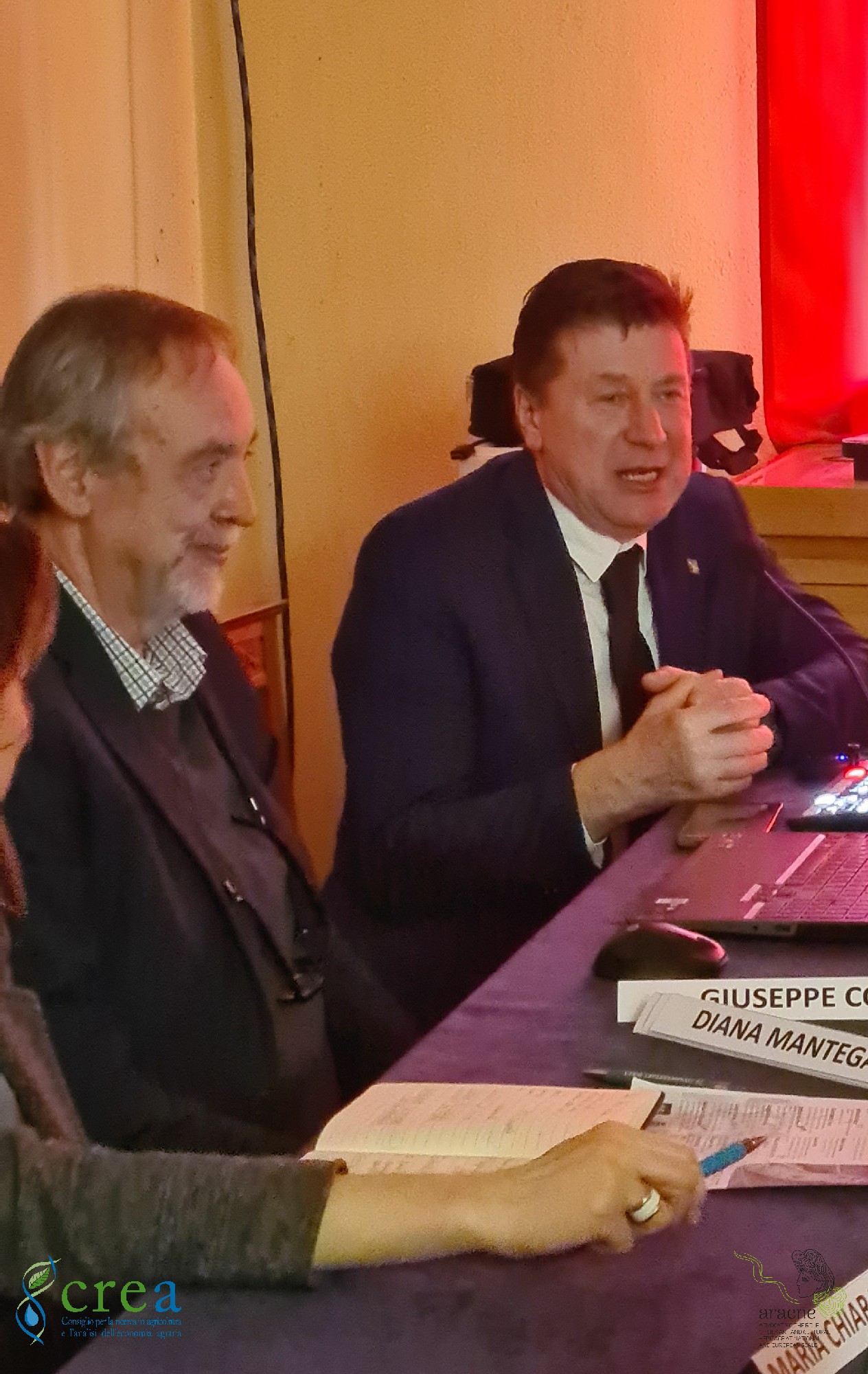
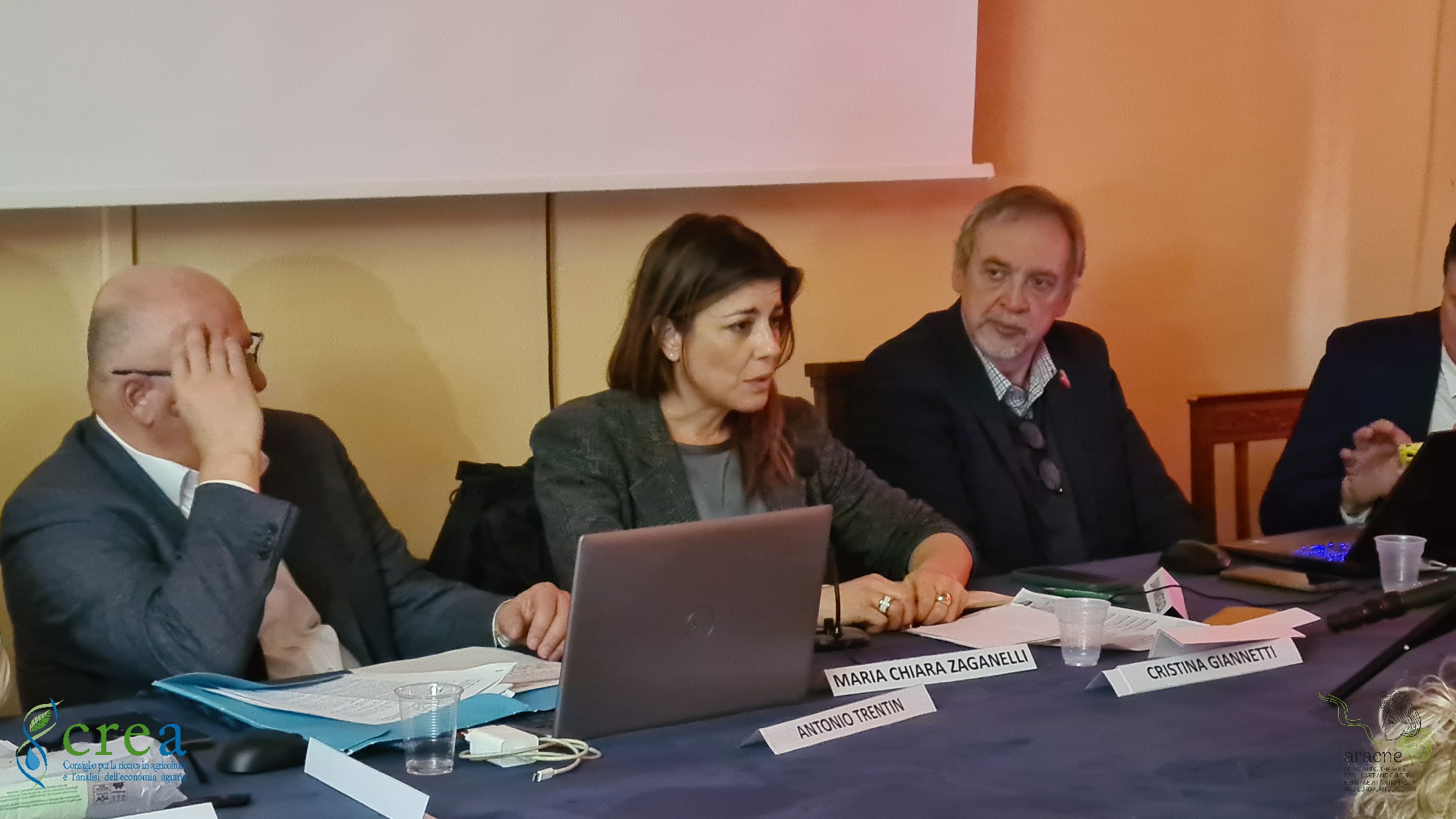
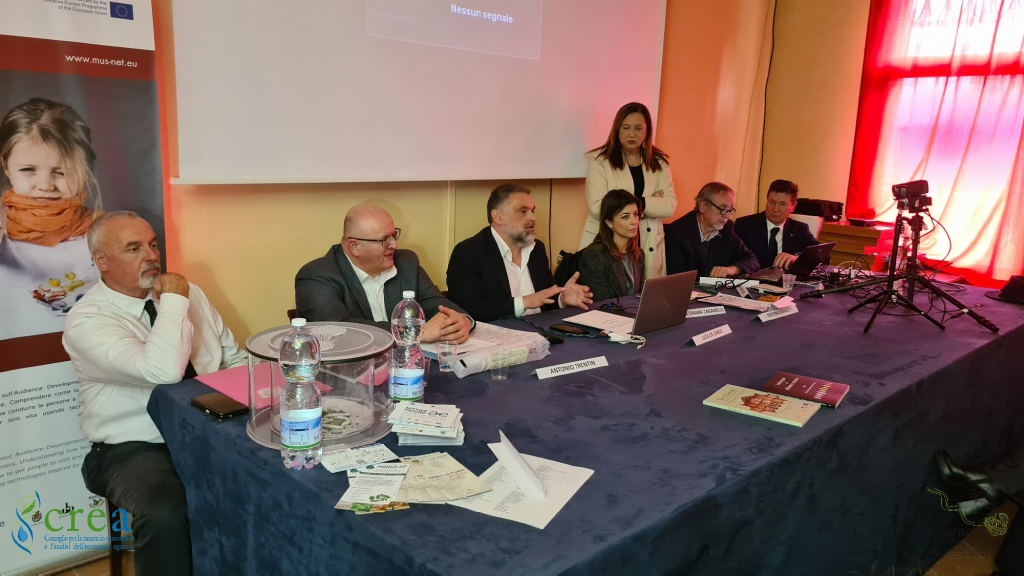
During the morning, an institutional round table brought together representatives from different administrative bodies, with the aim of identifying concrete synergies to ensure continuity of the results achieved by the ARACNE project. The discussion involved Luca De Carlo, President of the 9th Permanent Commission of the Italian Senate (Industry, trade, tourism, agriculture and agri-food production); Antonio Trentin, Agro-Environment Department, General Affairs and Administrative Coordination Unit, Veneto Region; Maria Chiara Zaganelli, General Director CREA; Giuseppe Corti, Director of the Research Centre Agriculture and Environment (CREA) ; and Alberto Budai, Regional Councillor for Friuli Venezia Giulia – Member of 2nd and 4th commissions of Friuli Venezia Giulia.
The meeting confirmed the role of ARACNE as a platform for dialogue among research, institutions and local communities, capable of generating tangible results and laying the foundations for future collaborations at both local and national level, through an integrated approach to culture, landscape, innovation and productive value chains