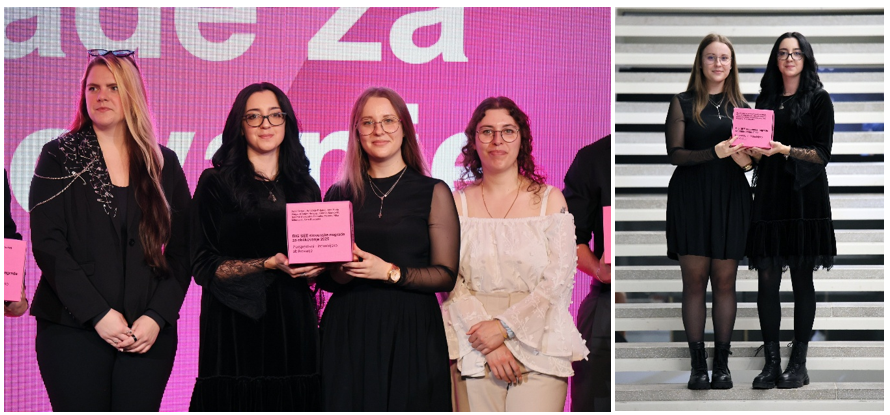
Students from the Faculty of Mechanical Engineering at the University of Maribor, enrolled in the Product Engineering Design and Textile Design Technologies programmes, developed lighting fixtures and jewellery as part of the international ARACNE project for the French company Sericyne, which specialises in products made from non-woven silk. Through their ideas, they enriched the company’s innovative range – either with motifs related to sericulture or with features associated with France, further enhanced by creative, functional, and multifunctional solutions.
With a variety of excellent silk lighting designs, Sericyne has, in recent years, begun to illuminate a path towards a more sustainable and culturally rich future for the fashion and design industries. With young designers Nika Milenović, Sara Stevoska, Anja Kozjan, Amadeja Prijatelj, Ana Maria Varga, Kristjan Herzog, Bennet Markovič, and Salomé Alexandra Ramalho Mateus, the company continues to push the boundaries of storytelling design inspired by various characteristic French design traditions or stories related to silk.
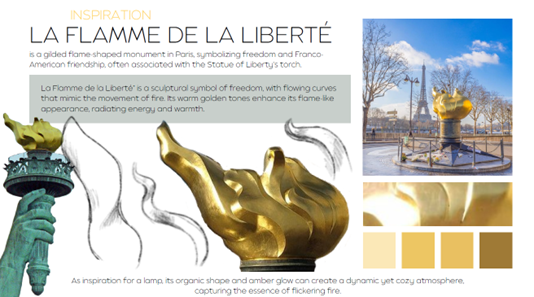
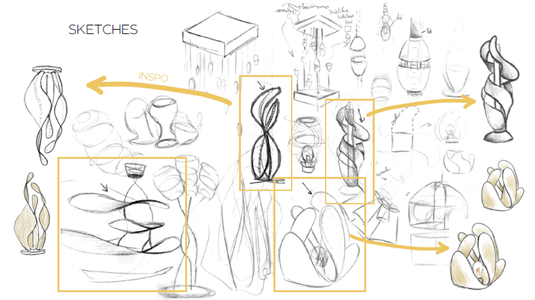
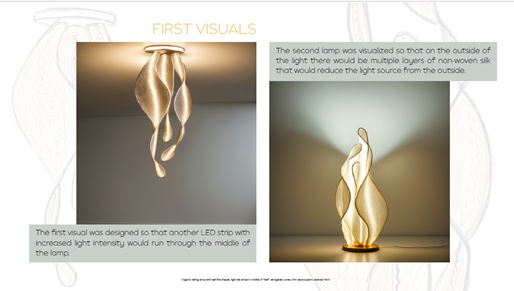
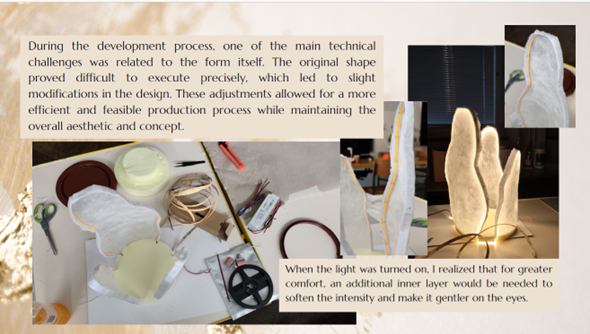
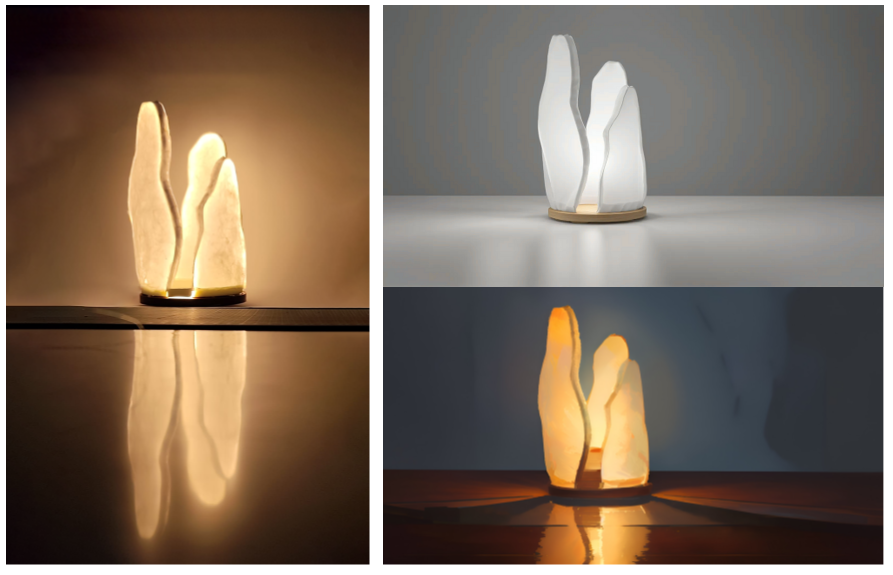
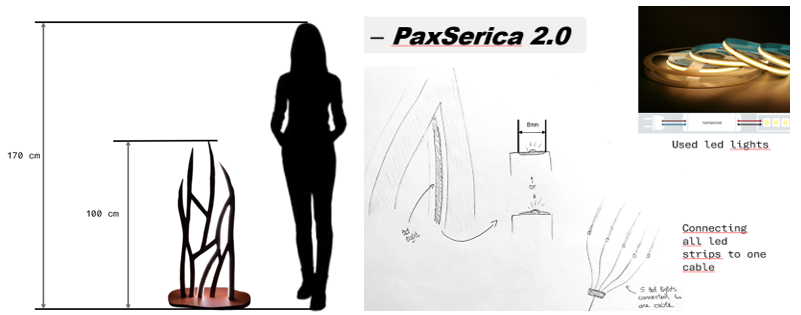
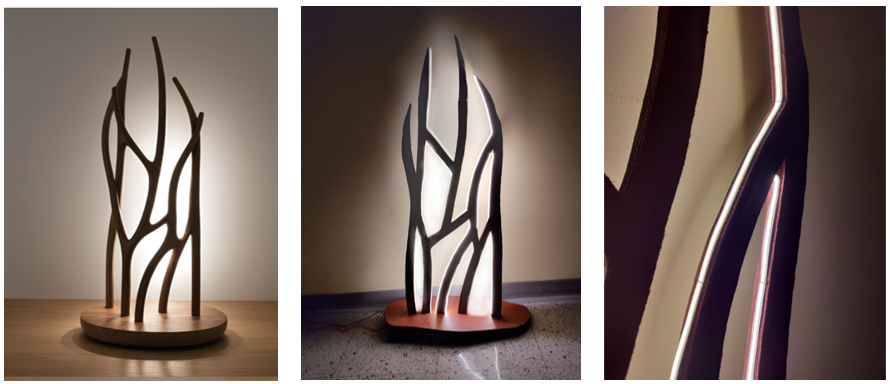
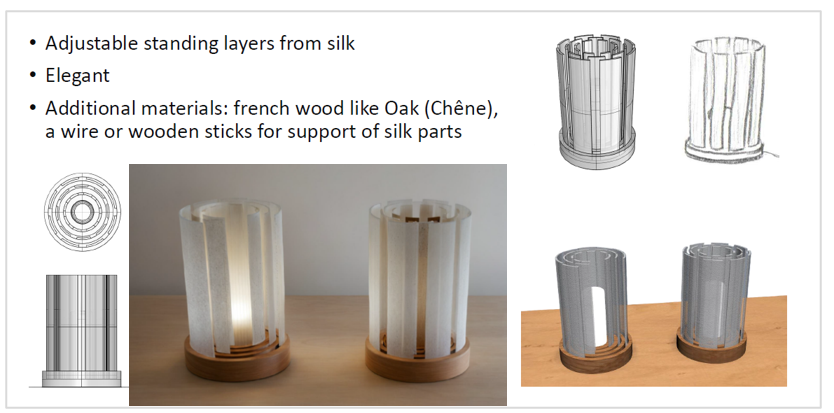
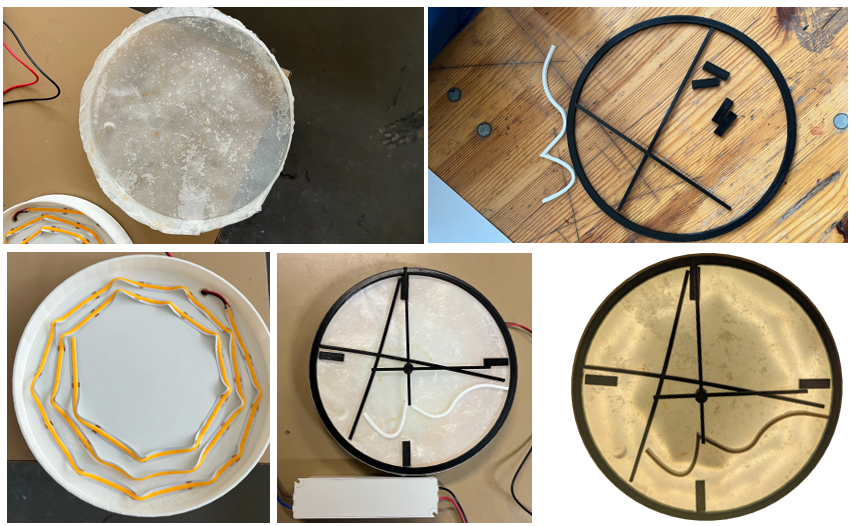
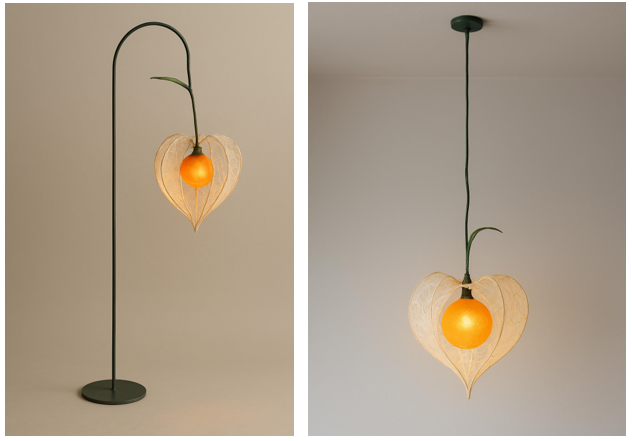
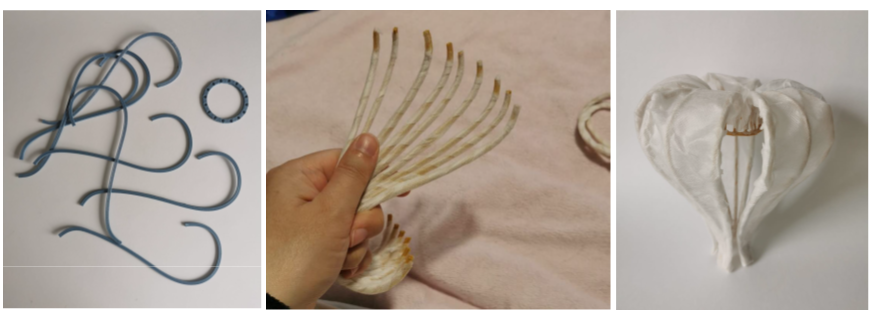
A series of original concepts was created, including: a clock-lamp featuring a Silk Road motif by Bennet Markovič; a partition lamp inspired by the wings of the silkworm moth by Amadeja Prijatelj; a table lamp incorporating elements of a flame motif by Ana Maria Varga; a bedside lamp with adjustable layered panels by Anja Kozjan and a lamp inspired by the physalis flower by Salomé Alexandra Ramalho Mateus, whose outer surface evokes the fragility of non-woven silk.
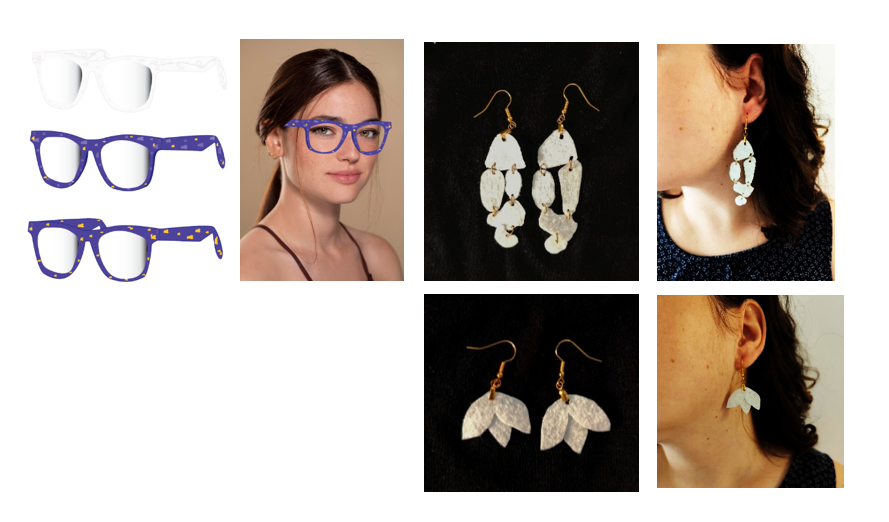
The exploration of silk applications was further extended into jewellery and fashion accessories by Kristjan Herzog, who drew inspiration from motifs such as bluebells, cocoons, and butterfly wings during the developmental stages of the silkworm.
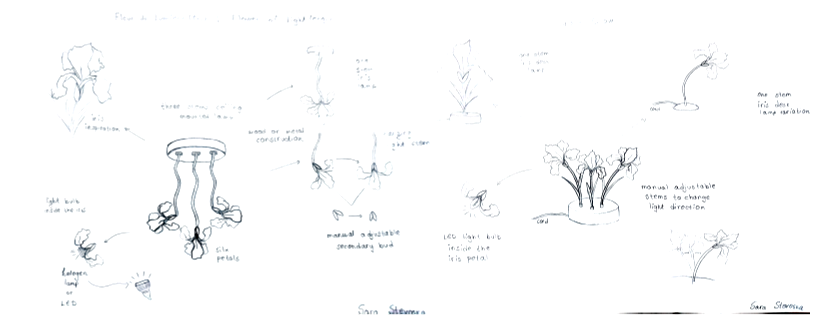
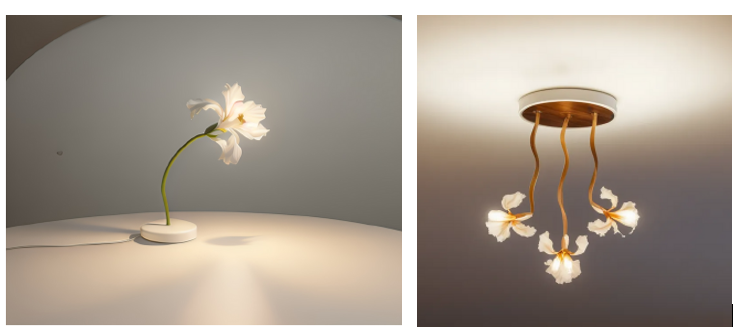
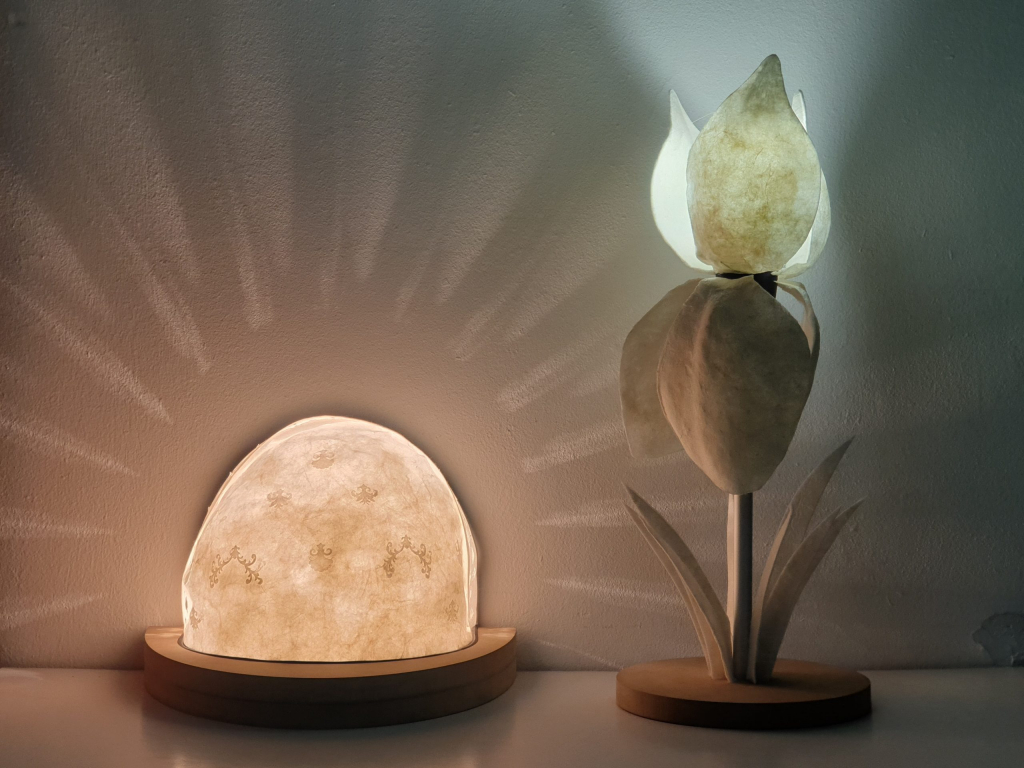
Of all the proposed ideas, the company selected two solutions for prototype development: an iris-shaped lamp by Sara Stevoska and a staircase lighting fixture with pattern projections by Nika Milenović, inspired by details of Notre-Dame Cathedral.
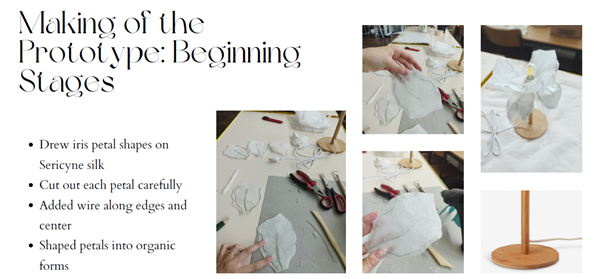
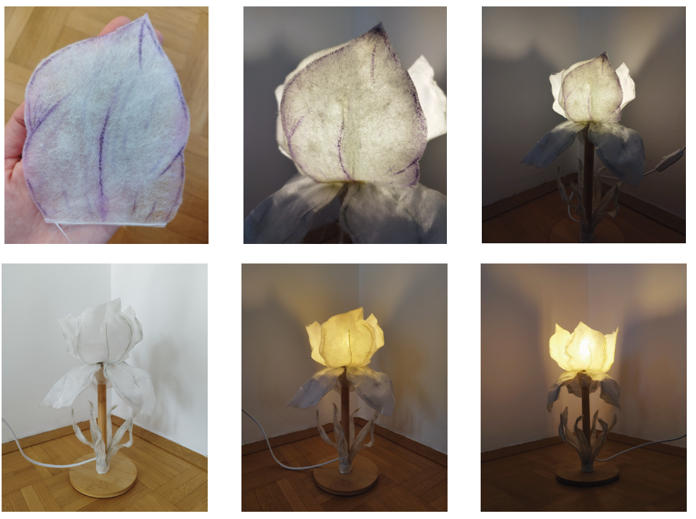
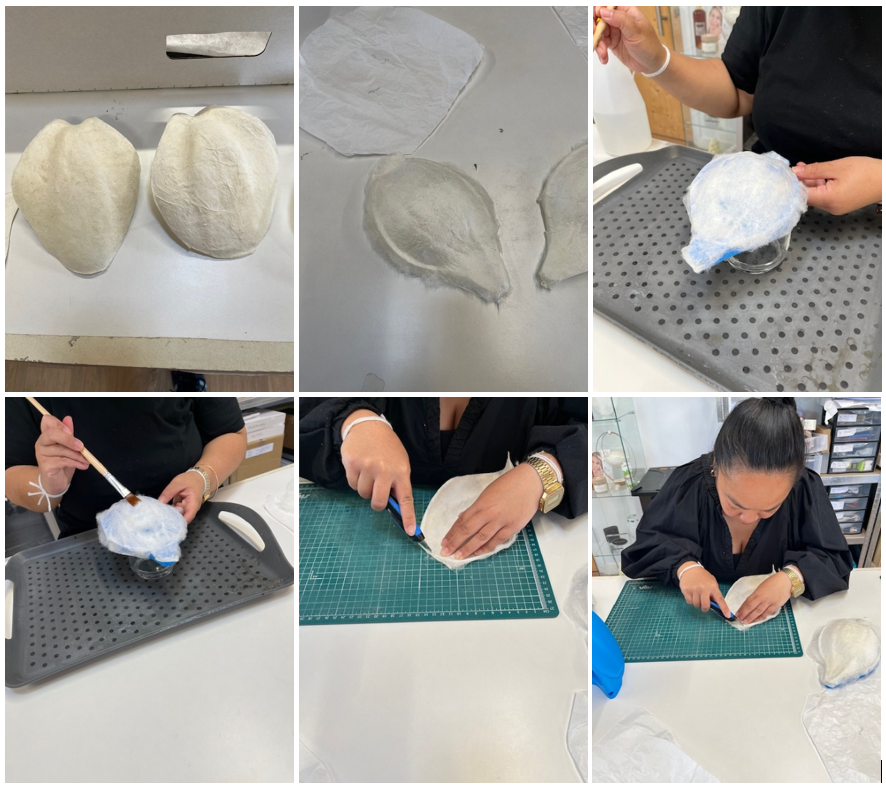
Stevoska’s Solace Glow lamp is inspired by the iris, France’s national flower, and reflects Sericyne’s rich heritage. The design features delicately crafted petals and leaves made from Sericyne silk, with each petal meticulously cut and shaped with wire to create organic forms. A central light source provides a warm, ambient glow, while a wooden base highlights the commitment to natural materials and minimalist aesthetics.
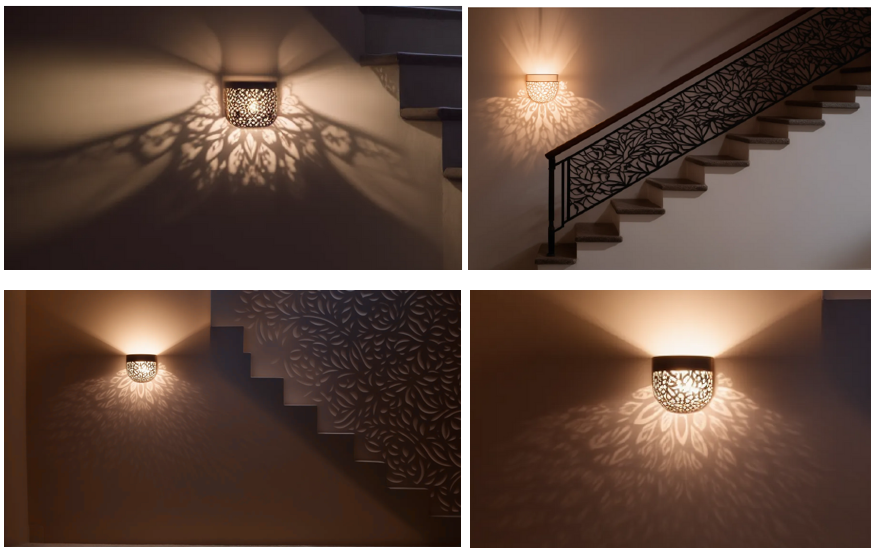
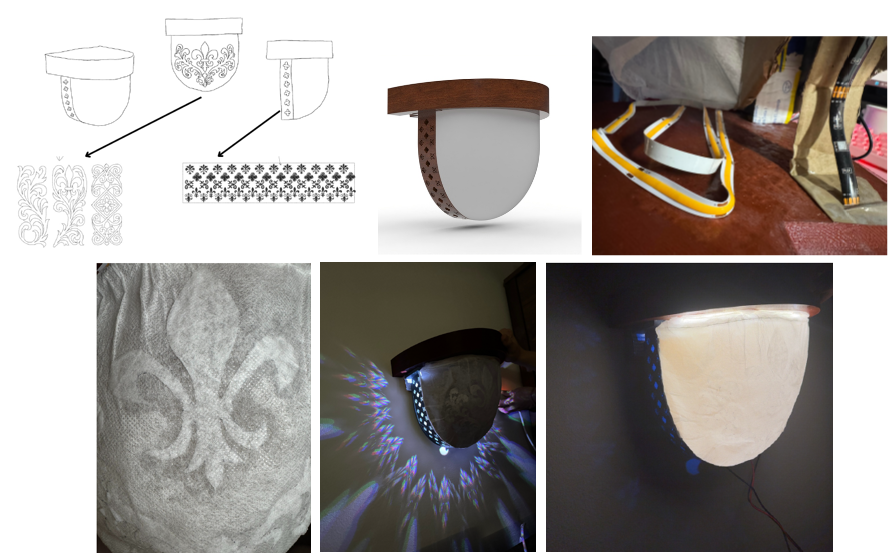
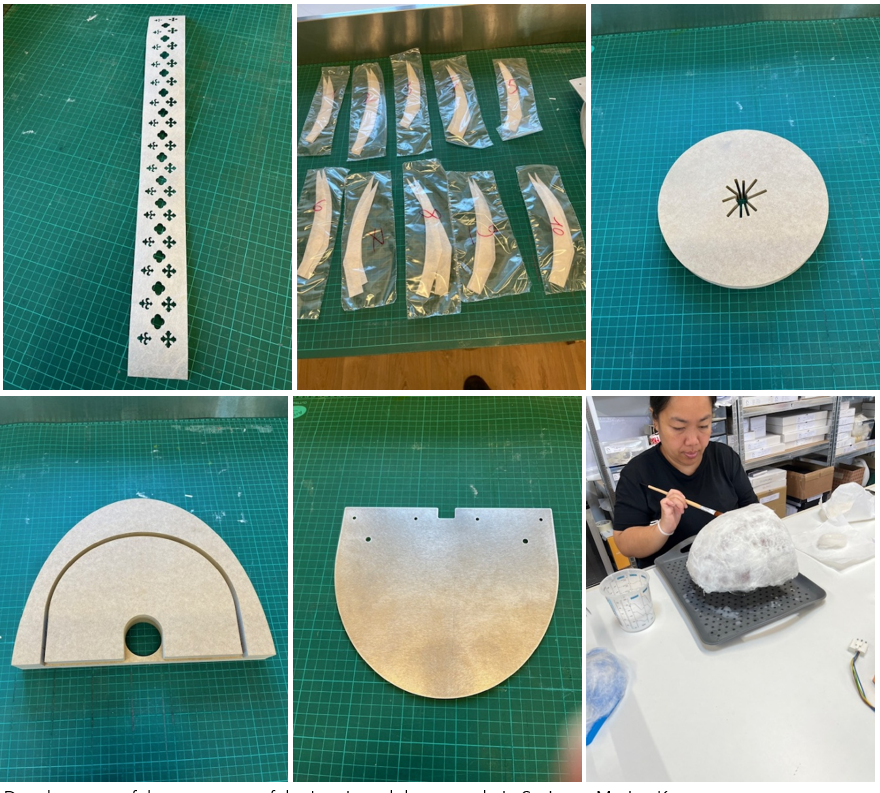
Milenović’s Lumigraph lamp series takes a different approach, celebrating France’s cultural landmarks. Her Staircase Projection Lamp, inspired by the ornamental patterns of Notre-Dame Cathedral, uses layered silk motifs to diffuse light softly, creating mesmerising patterns on surrounding walls. After overcoming initial prototyping challenges—including misaligned 3D-printed components and overly intense lighting—Milenović successfully achieved the gentle, patterned illumination she envisioned.
Both the Solace Glow and Lumigraph designs were developed as prototypes in Sericyne, with potential for future production. Prototype was made by Marina Keomany.