Mercato delle Gaite

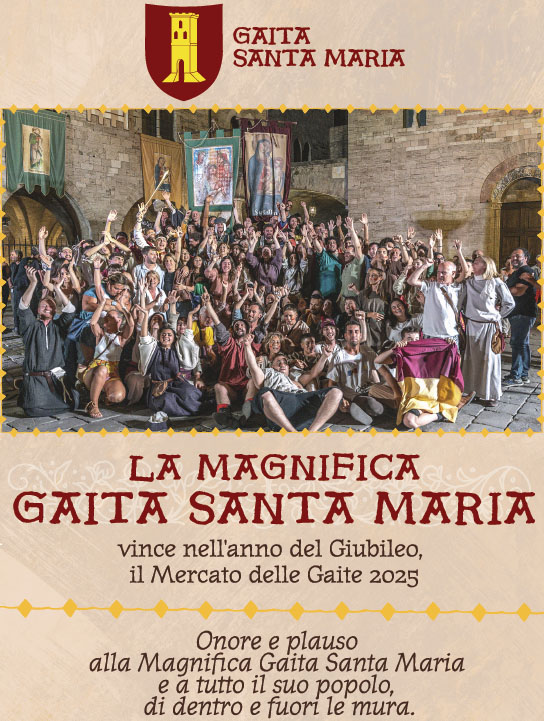
Properzi is one of the key organisers and proponents of the Mercato delle Gaite, a major Italian medieval historical reconstruction event founded in 1987. The Mercato is more than just a festival; it is a long-term collective project based on archival research and material reconstruction. Fidelity to historical sources has always been its guiding principle, an approach that Properzi has promoted for decades. “The desire,” he explains, “has always been to adhere as closely as possible to the documents.” This commitment to philological accuracy has not only shaped the event itself, but also the community that supports it. Within the Mercato delle Gaite, Bevagna’s four medieval quarters (Gaite) compete by recreating crafts, markets, culinary traditions, and social customs from the period between 1250 and 1350.
lines-and-dots-decoration-aracne
dot-decoration-rx-aracne
mercato-delle-gaite-aracne-project
gaita-santa-maria-aracne-project

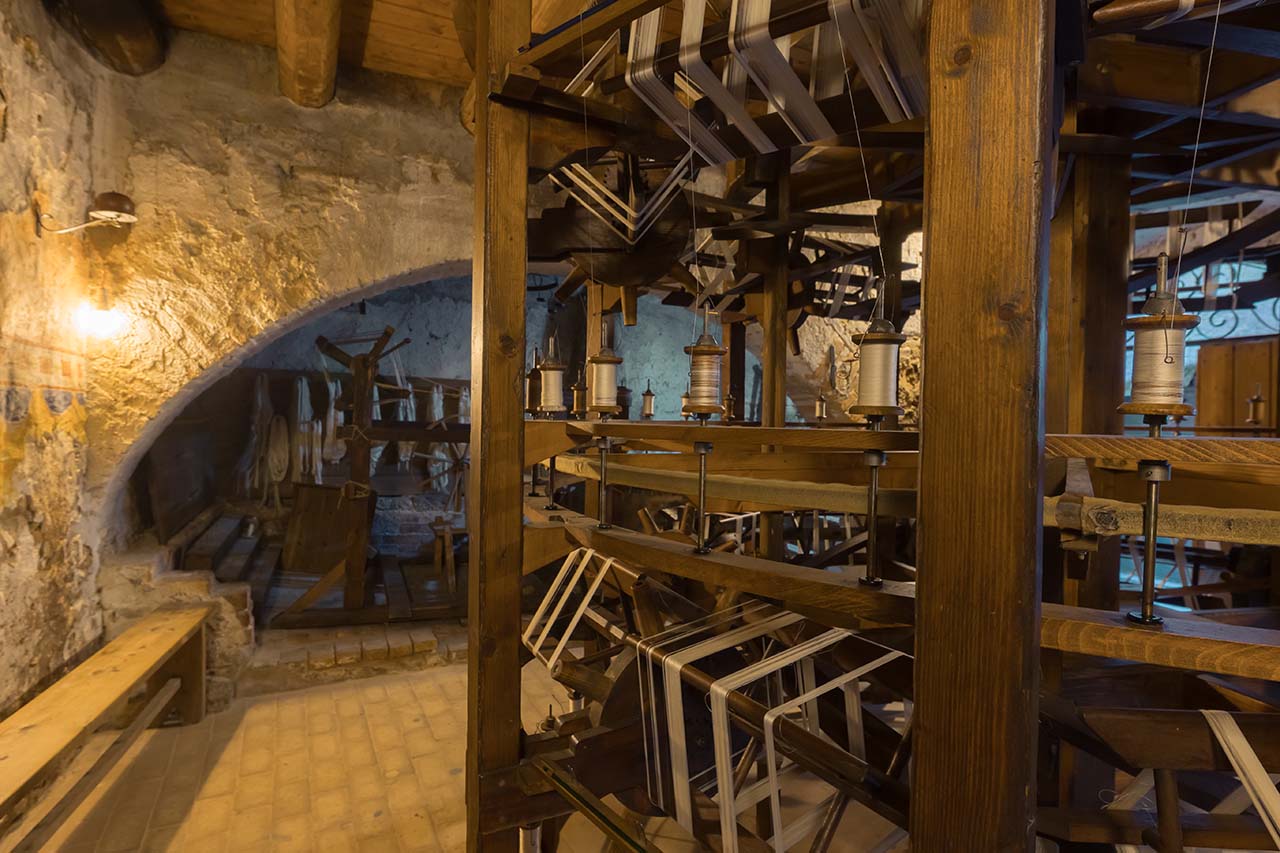
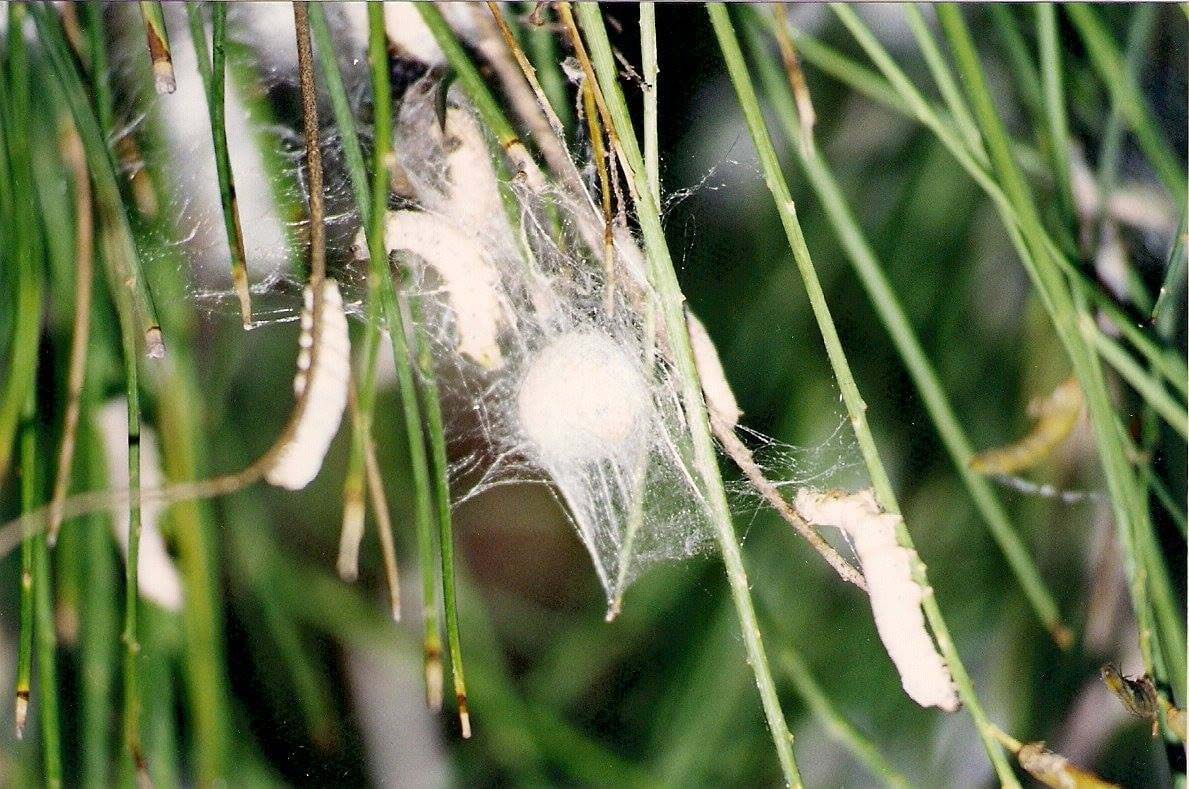
The Gaita Santa Maria, with which Properzi has long been associated, chose silk as its defining craft. This choice was neither decorative nor arbitrary. Silk has deep historical roots in Umbria: medieval documents attest to its symbolic prestige, and later sources confirm the widespread practice of sericulture well into the nineteenth century. By reviving the production of silk, Properzi and his fellow volunteers were not creating a new tradition, but rather breathing new life into a fragmented historical memory. 2025 was an extraordinary year for Alfredo Properzi, as it saw the victory of Gaita Santa Maria. What began as an intuition gradually evolved into a thorough reconstruction of the entire silk production process. Under Properzi’s guidance, Gaita Santa Maria has become one of the few places in Italy where visitors can observe the entire process, from silkworm rearing to reeling, twisting, dyeing and weaving. Each stage is carried out using tools and techniques that have been reconstructed based on historical evidence, often built by the volunteers themselves after years of study and experimentation.
circle-line-aracne

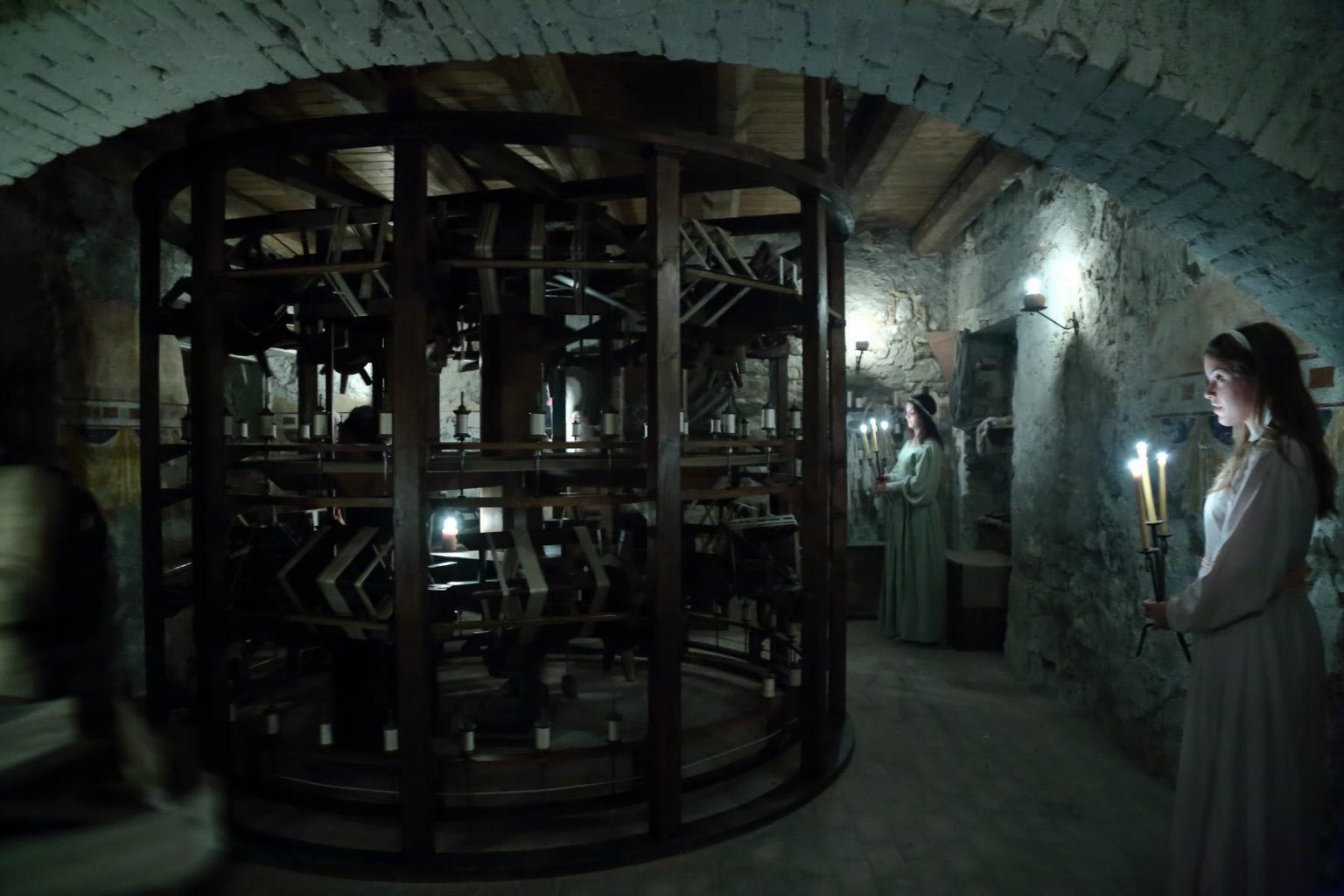
One of Properzi’s proudest achievements is the reconstruction of a circular silk-twisting machine (torcitoio), based on late medieval manuscripts and a 14th century notarial document from Lucca. Entirely human-powered and built using different types of wood to ensure flexibility and resistance, this machine is considered the earliest complex operational machine in human history. The Bevagna’s torcitoio is the only one of its kind in the world and has been requested for exhibitions by major institutions, including the Museo Nazionale della Scienza e della Tecnologia “Leonardo da Vinci” in Milan and the Palais du Rhin in Strasbourg. However, for Properzi, the machines are only one part of the story. He insists that what truly distinguishes Bevagna is collective authorship. “All the machines you see here,” he says proudly, “were built by us. No one else made them; the people of Bevagna did.” This autonomy, born from the fusion of scholarly research and manual skill, has transformed the Gaita Santa Maria into a permanent cultural centre rather than a seasonal attraction.

Workshops, looms and educational spaces remain active year-round, sustained by volunteers who have been trained through the intergenerational transmission of knowledge. The social impact of this work has been profound. The Mercato delle Gaite has reshaped Bevagna’s identity, strengthening social bonds and creating new cultural associations, such as musicians, dancers, archers, while also revitalizing the local economy. For Properzi, however, the deepest success lies elsewhere. “Many people in Bevagna,” he reflects, “have educated themselves through the festival.”
telaio-delle-gaite-aracne-project
gaita-baco-silk-aracne-project

By transforming the production of silk from an archival reference into a shared, lived practice, Alfredo Properzi has helped the town of Bevagna to rediscover itself. His story is a prime example of how traditional knowledge, when carefully reconstructed and maintained by the community, can serve as a valuable resource for understanding the past and imagining a resilient cultural future. This is precisely the vision at the heart of the ARACNE project. It goes without saying that the Mercato delle Gaite in Bevagna, including the Gaita Santa Maria, is one of the points of interest on Aracne's virtual map.
dot-decoration-rx-aracne